
Doctors address popularity, risks, costs of GLP-1s
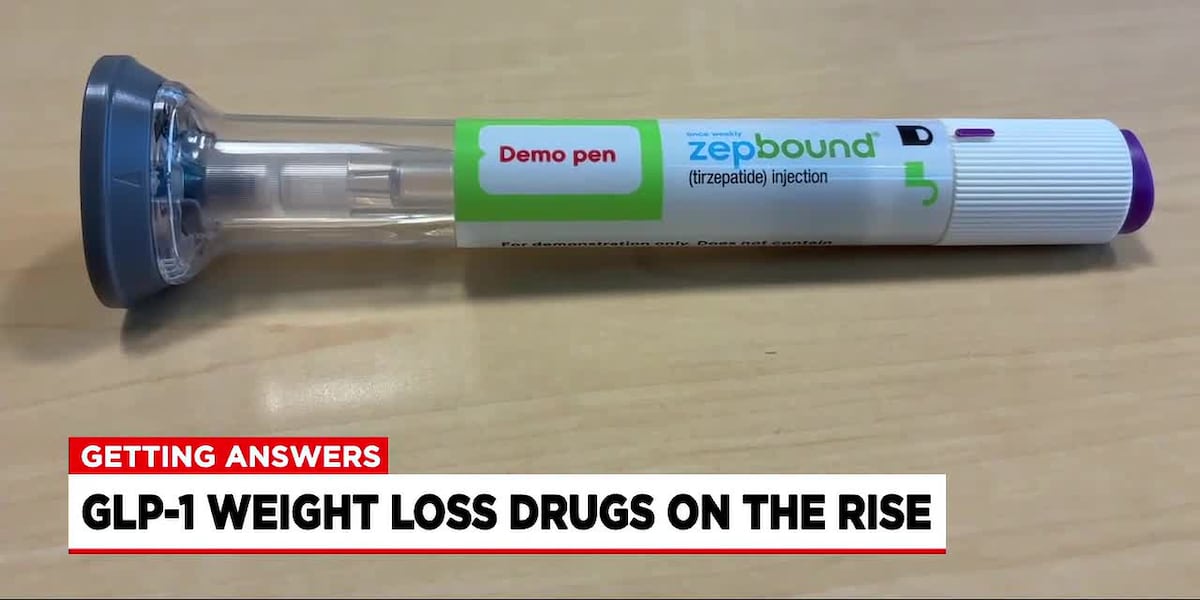
HOLYOKE, MA (WGGB/WSHM) - Local doctors are raising red flags about the misuse of breakthrough weight loss drugs flooding the market.
At $6,000 per year, Massachusetts residents are paying more than some people’s rent for weight loss drugs that may need to be taken for life.
“It’s a breakthrough, allowing patients to get something really more effective or get more help to get started, but unfortunately, it has been abused and misused,” said Dr. Yannis Raftopoulos, director of the weight management program at Holyoke Medical Center.
GLP-1s, an innovation originally made to treat diabetes patients, has been making headlines for weight loss in the last few years. The drug has created a new way for patients to lose weight by just injecting it into your skin or taking a pill.
A recent Kaiser Family Foundation Health Tracking Poll found one-in-eight U.S. adults, or 12 percent of the U.S. population, have said they took a GLP-1 agonist at one point. Sixty-two percent of those adults took them to treat a chronic condition such as diabetes or heart disease, while the other 38 percent took them primarily to lose weight.
Raftopoulos said the popularity of the drug is only increasing, but so is the realization that they come with a cost. “It’s not a matter of concern of a potential complication. It’s just a matter that sometimes they’re not getting covered,” he added.
According to the Associated Press, the medications average at $500 per month for those without insurance coverage, which puts a big price tag on those pounds. Over half of those surveyed adults said it was difficult to afford the cost. “If they can’t afford it, they’ll get off the medications and, once you stop the medication, you can actually have the weight gained back or the diabetes symptoms back,” said Dr. Sunny Shukla with Cooley Dickinson Hospital.
The Associated Press stated that Massachusetts is one of 14 states with Medicaid coverage for GLP-1s, meaning those without could be dropping a minimum of $6,000 per year to drop a few pants sizes and, because the weight loss application of the drugs are so new, it’s unclear whether or not patients will need to regularly take the drugs for the rest of their lives to keep the weight off.
Shukla broke down what we do know about how the drugs work. “What they do is they slow down the transit of your stomach, so it feels like you’re more full,” he explained. “It triggers your pancreas to release more insulin, so it drops your blood sugar and it also decreases the secretion of glucagon, which will increase your blood sugar.”
The doctors explained that the drugs also come with their fair share of side effects. The most common ones, regardless of the brand, include nausea, vomiting, abdominal pain, diarrhea, constipation, and reflux. Those side effects also dependent on any other medications that you may be taking. Sometimes, doctors advise against using a GLP-1 if you are using medications for ADHD, hypertension, or another sort of mood disorder.
Hospital visits for those on GLP-1s are something that Shukla is seeing an increase of. “As an E.R. physician, I frequently see people come to the E.R. who are dehydrated because they felt full, so they didn’t drink,” he added.
With all that said, the side effects do not mean that GLP-1s are unsafe. Shukla and Raftopoulos agree that the drugs can be extremely beneficial as long as diet and exercise are also taken into account. “I think it helps some people lead a healthier lifestyle. If they’re able to lose some of the weight, help control their sugars a little better, they may be more adept at doing exercise,” Shukla said, while Raftopoulos added, “From the very beginning, even before the medications were available, always my philosophy goes that, you know, we need to offer everything for the patient. Not only the surgery, but also the lifestyle component, the exercise, the weight management and that is, in my opinion, what is mostly lacking in many programs.”
That’s exactly what weight-loss programs are hoping to explain to anyone interested. “We really try to focus on the whole package to help patients get better,” Shukla noted.
If you are considering GLP-1s for your lifestyle, be sure to talk to your doctor about a list of key factors including your treatment goals, any underlying conditions you may have, and insurance coverage.
Copyright 2025. Western Mass News (WGGB/WSHM). All rights reserved.
Read the Original Article
This article was originally published by Western Mass News. Click below to read the full article on their website.
Visit Western Mass News