
Average gas prices cross $4 mark in Berkshire County after temporarily easing
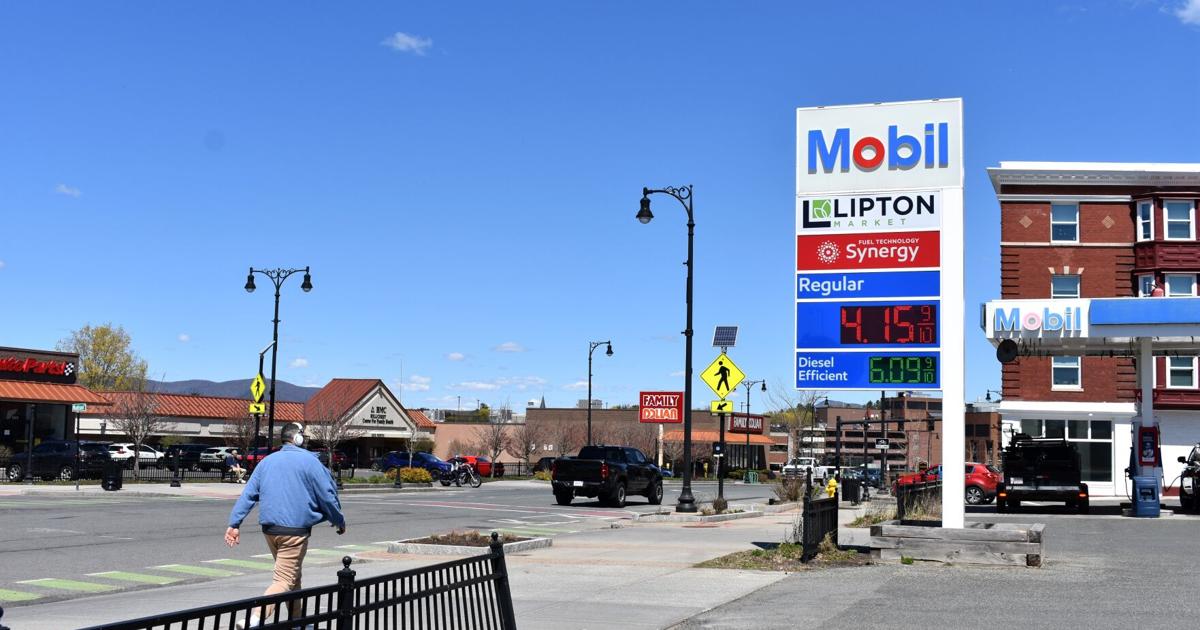
PITTSFIELD — After Berkshire gas stations spent much of April toeing the line of $4 per gallon, the average price crossed that threshold this weekend, climbing to $4.04.
Gas prices have been watched closely as the Iran war, which began on Feb. 28 with a barrage of U.S. and Israel missile attacks, has caused the largest surge in gas prices since the Russian invasion of Ukraine in 2022.
Over the past two months, gas prices shot up but then settled around $3.98 a gallon on average, before briefly easing a bit, according to AAA. However, gas prices in the county now have passed the $4 mark, which drivers say is upsetting, even though they say they won't change their driving habits.
Several factors are contributing to the most recent rise — chiefly the continued uncertainty around the Iran War — and officials say those prices won't come back down as fast as they rose.
"After it came out this weekend that another round of peace talks would not be happening, the oil markets reacted in kind, and we saw prices of oil and gas go up," said Jillian Young, director for public relations at AAA Northeast.
The Sunoco on Pittsfield Road had a gallon of gas priced at $4.09. It's part of a wave of gas stations finally crossing the $4 a gallon mark.
The average price of gas was hovering just below $3 a gallon before the war began in late February, but that cost quickly came up once Iran closed the Strait of Hormuz, a key oil shipping corridor. That caused the price of oil to skyrocket, Young said, accounting for more than half of the cost drivers pay at the pump.
However, the price of crude oil currently is trading for about $105 per barrel, which is lower than oil's peak of $118 on March 31. So why is Berkshire County seeing gas prices hit highs now when oil is lower?
"We've got a group of factors that are causing prices to go up," Young said. One big change is the blend of gas, which has switched from winter to summer blends.
Berkshire County drivers are facing a new surge in the price of gas, spurred by a combination of dashed peace talks in the Iran war and the switch to a more costly seasonal blend of gasoline.
The main difference between summer and winter blends of gas is how easily fuel evaporates under certain temperatures. In cold weather, fuels need to have an easier time evaporating to allow a car to start well in low temperatures. In warmer weather, that same blend evaporates too quickly, which can increase unhealthy emissions.
That summer blend is more expensive to manufacture because of that lower evaporation rate, but it also has slightly higher gas mileage.
Although switching to the summer blend has contributed to the price increase, the markets have more sway over those prices, Young said. Oil prices "can be an hour-to-hour situation as we're seeing the markets react to things."
Despite that, Young cautioned that those hoping for a dramatic price decrease will be disappointed.
"Gas prices shoot up like a rocket and they float down like a feather," she said.
The rise in gas prices is due to a number of factors, said Jillian Young, director of public relations for AAA Northeast. That includes fuel manufacturers switching from winter to summer gas blends, which are more expensive to produce.
The prices are disappointing for Berkshire County drivers like Bob Poilluci. However, the price won't affect when and where he drives, he added.
He said he saves money by buying gas at BJ's, which offers a 5-cent discount off of every gallon of gas as part of its membership program.
Young said there are other ways motorists can save, including keeping tires inflated and driving at the speed limit to maximize fuel efficiency.
Read the Original Article
This article was originally published by Berkshire Eagle. Click below to read the full article on their website.
Visit Berkshire Eagle