
Berkshire County's first smart home aims to improve accessibility and independence for residents
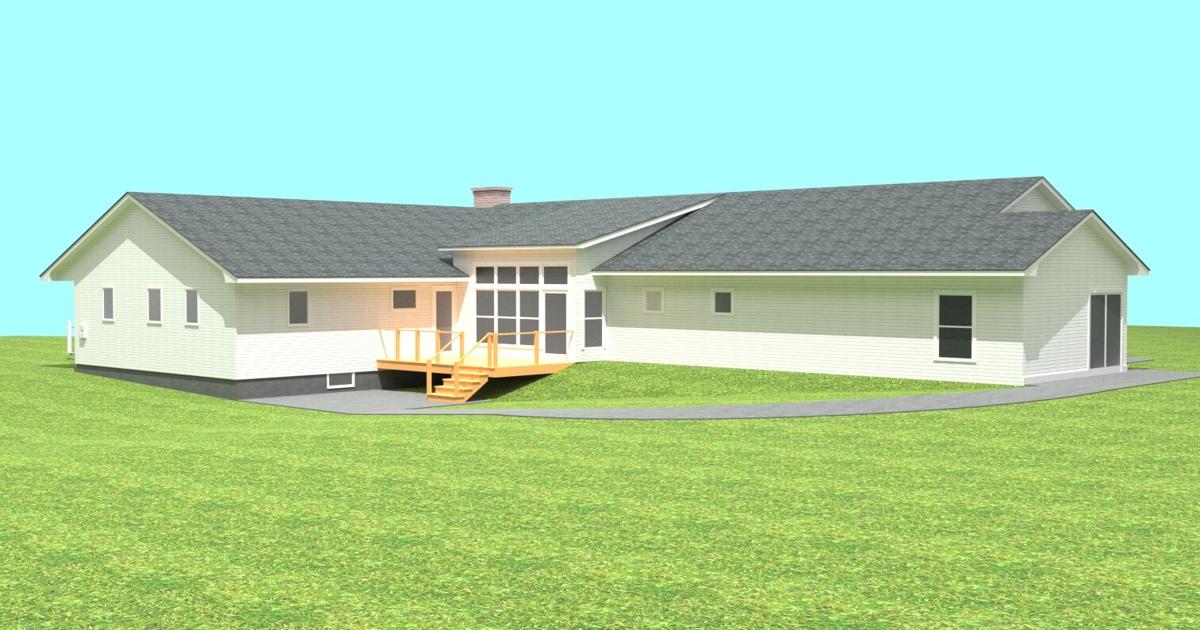
ADAMS — Future residents of a smart home in Adams will be able to control lights by voice, adjust sinks and stovetops to their height and use hands-free appliances — all designed to help people with cognitive disabilities live more independently.
The home will be a first of its kind in Berkshire County, according to Berkshire Family And Individual Resources officials.
"It's really about just giving them the same accessibility and options that anyone else would have," said Katrina Cardillo, the senior director of marketing and public relations for BFAIR.
BFAIR, which provides services for people with cognitive disabilities, began plans to develop a smart home focused on independence in spring of 2025, said Theresa Denette, the senior vice president of operations for BFAIR.
The organization landed on a property in Adams to renovate, purchasing the property for $340,000. The organization did not give the home's address to maintain privacy for its clients.
"We wanted to remodel it and make it a smart home, utilizing as much technology as possible to give our individuals a more independent way of life," Denette said.
Although there have been smart homes built with accessibility in mind elsewhere in Massachusetts, she said, BFAIR's will be the first in the county.
The organization's home will have some of the normal smart home features, like smart lights, thermostats and locks all connected through Amazon Alexa, she said.
The home will also include voice-activated microwaves, adjustable stovetops and a front-loading washer and dryer that can be accessed remotely.
"Having that little bit of independence to be able to sit in front of the stove and cook something or do my own dishes," Denette said. "They are things that we often take for granted."
Smart functions can also be used in emergency situations, said Kyle Malloy, the director of information technology for BFAIR. The organization is looking into items like vibrating beds to awaken tenants during an emergency.
For most people, smart homes are a luxury, Denette said. "But for others, we're giving them a life-changing opportunity that they might not have had."
The completed home will be 3,200 square feet and house four tenants who will share a large common space that includes a kitchen and living room, Denette said. There are two bathrooms in the home, and each room has its own private entrance.
Massachusetts' Department of Developmental Services will fund the operational and tenant costs, she said.
The project is currently out for bid, with those bids due back by Feb. 4, Denette said. Then the organization will have a clearer timeline and cost for the project as a whole.
Denette estimated that the project will be completed in late 2026, financed through the organization's year-end donation campaign and a loan.
"If I'm in a wheelchair, I can't access the switch in a certain way, but now I can just say, 'Alexa, turn off the light,'" Denette said. "I think that is a really amazing opportunity that technology allows us to give people."
Read the Original Article
This article was originally published by Berkshire Eagle. Click below to read the full article on their website.
Visit Berkshire Eagle