
Berkshire health officials: No local cyclospora cases, but take precautions as outbreak grows
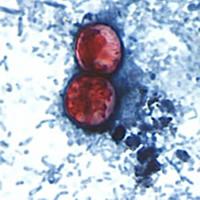
PITTSFIELD — Cyclospora, a foodborne parasite that can cause prolonged illness, has been reported in 18 Massachusetts residents this year, prompting health officials to remind people about safe produce handling.
Cyclospora, a foodborne parasite, can cause weeks-long diarrhea.
“As of today, we have not had any cases of cyclospora at Berkshire Medical Center and are unaware of any cases in the county," said Gregory Malanoski, an infectious disease specialist at Berkshire Internists of Berkshire Medical Center.
According to the Centers for Disease Control and Prevention, 34 states have reported cases since May 1, with the highest number of cases reported in Michigan, followed by New York.
Health officials have not identified a common source for this year's cases of cyclospora, but outbreaks are typically linked to fresh, ready-to-eat produce like bagged salads, pre-cut fruits, berries and fresh herbs.
Government health officials have not identified a common source for this year's cases, but outbreaks are typically linked to fresh, ready-to-eat produce like bagged salads, pre-cut fruits, berries and fresh herbs.
The illness can cause weeks-long diarrhea and can be debilitating, but no one in the U.S. has died from cyclospora this year, and it's not contagious. Other symptoms are bloating, gas, fatigue, low-grade fever, stomach cramps, nausea and vomiting.
"It’s important to help prevent cyclospora using good hand hygiene, especially after handling raw produce," Malanoski said. "Also, make sure that fresh fruits and vegetables are thoroughly washed before eating them."
Cooking produce when possible can help to kill the parasite.
Cyclospora is diagnosed with a stool sample test and is usually treated with an antibiotic. In a health alert issued on Tuesday, the CDC said it had confirmed 1,645 people nationwide have been sickened by cyclosporiasis. An additional 5,100 cases are under investigation.
"It’s also very important if you contract cyclospora to drink plenty of fluids so that you are not dehydrated, which can happen with this illness," Malanoski said.
For residents looking to reduce their risk of foodborne illness, local food advocates say knowing where produce comes from can help consumers make informed choices.
"While foodborne illness can occur in any food system, purchasing from local farms gives people the opportunity to ask questions, learn about growing practices and make informed choices," said Katie Rubright, communications manager at Berkshire Grown.
Though locally grown food could still cause foodborne illnesses, knowing where your food comes from and handling it properly can help reduce chances of becoming sick, Rubright said.
"At this time of year, Berkshire County is full of fresh, seasonal produce available at farmers markets, farm stands and grocery stores that buy from area farmers," Rubright said.
Read the Original Article
This article was originally published by Berkshire Eagle. Click below to read the full article on their website.
Visit Berkshire Eagle