
Berkshire housing advocates raise alarm over state voucher changes
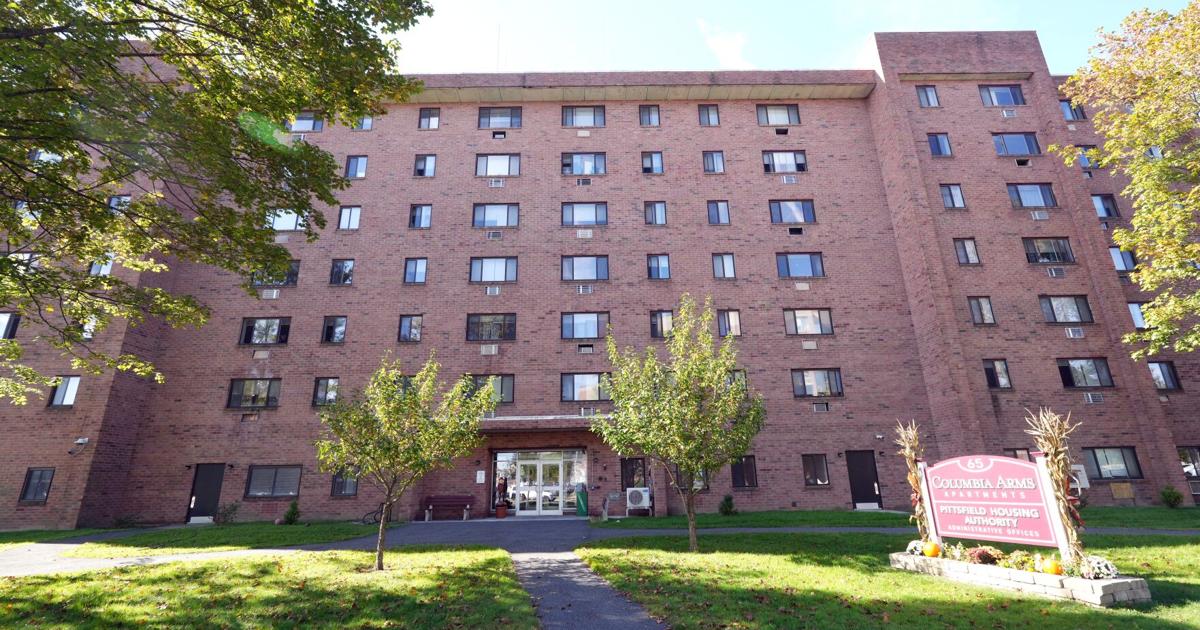
PITTSFIELD — The state office that oversees its housing voucher program — which helps tenants who can’t afford market-rate rents — has quietly announced changes that will make housing less affordable.
On Friday, the Executive Office of Housing and Livable Communities posted the policy update on its website, including ending payments for security deposits and utility reimbursements. Massachusetts cites high program costs as the reason for the cuts, but local housing officials say passing those costs to tenants will keep some people out of housing.
The changes caught local housing advocates and legislators off guard; many contacted by The Eagle on Tuesday and Wednesday said they had not yet been briefed on the policy updates.
"This just came out of the blue to me," said State Rep. John Barrett, D-North Adams.
Kathy Keeser — executive director for Louison House, which operates units that use the voucher program — was also surprised by the news even though she has been watching the state budget closely. The policy update wasn't mentioned during the monthly state meetings she attends, she added, one of which was canceled for Patriots' Day.
Housing officials said the coming cuts to the Massachusetts Rental Voucher Program and the Alternative Housing Voucher Program, both programs that help tenants afford rent, could make housing more expensive.
Pulling security deposits and help with utilities is detrimental to the purpose of the program, which is to keep people in stable housing, Keeser said.
Those extra expenses will cause people to "stay in shelters and other places longer," said Keeser.
Rental vouchers, like Massachusetts' voucher program and Section 8 vouchers, help tenants who can't afford market-rate housing. The changes announced Friday will affect tenants using the Massachusetts Rental Voucher Program or Alternative Housing Voucher Program, which is for adults under 60 years old living with a disability.
Both programs are for residents making less than 80 percent of the area median income — which is $68,800 for one person in Pittsfield — and require tenants to pay at most 30 percent of their gross income toward rent. The state makes up the difference in the rent, which is set at the federal level based on an area's fair-market rent. In Pittsfield, that's $1,269 for a one-bedroom unit.
In Berkshire County, there are 106 vouchers through the Massachusetts Rental Voucher Program, which serve just 2 percent of eligible households, according to Pittsfield City Councilor at-large Alisa Costa.
"It could make housing more precarious for them at a time when the state is reducing the number of shelter units as well," she said of the cuts.
Rising costs forced the Executive Office of Housing and Livable Communities to adjust the program, a spokesperson told The Eagle, adding that the changes “will protect thousands of residents from losing their housing and preserve the long-term sustainability of these important resources.”
The state added the additional benefits of help with utilities and security deposits when "budgets could afford it," said Eileen Peltier, CEO and president of Hearthway, which administers the voucher program in Berkshire County.
But as rents continue to rise, local housing and state officials say the cuts work against the program’s purpose.
Peltier said the changes are "unfortunate and will present challenges for voucher holders who have had the benefit of these additional supports for some time."
Utility assistance was a key support for many of the tenants, Keeser said, and, "without that utility assistance, many households will sink."
Pulling together enough money for a security deposit is also an expense low-income tenants struggle with, often delaying their entry into housing, Keeser said.
"And the landlord's not going to wait long if you don't have those extra payments — the down payment, the deposits — you're not going to get the apartment," she said.
If a landlord requires a security deposit and first month’s rent at fair-market rates, a tenant would need to come up with $2,538 to move into a one-bedroom apartment.
The state is also requiring agencies to verify participants’ income more frequently — annually instead of every other year — and to impose penalties for errors. If a tenant’s self-reported income is found to be higher during certification, they must repay any underpaid rent.
Agencies used to be able to work with tenants to reach a repayment agreement and schedule. Now, a tenant has 90 days to pay or else they will be terminated from the program.
State Rep. Tricia Farley-Bouvier, D-Pittsfield, said the changes reflect difficult decisions lawmakers face as they navigate an uncertain budget year.
Still, she called the stricter repayment rules “troublesome,” noting that “keeping up with all this paperwork is a burden for anyone.”
Keeser said the changes could undercut people who have spent years trying to secure stable housing, only to find it slipping out of reach once they finally get help.
"They finally get a voucher they've gone on a waiting list for a few years for, and then find out it's not affordable," she said.
Read the Original Article
This article was originally published by Berkshire Eagle. Click below to read the full article on their website.
Visit Berkshire Eagle