
Berkshire nonprofit leaders back statewide effort to lower health insurance costs
STOCKBRIDGE — What if nonprofit employees in Berkshire County and across the state could band together to obtain the less expensive health insurance rates available to larger employers?
In response to the financial crunch local nonprofits are facing due to federal funding cuts, the Nonprofit Center of the Berkshires is helping to launch an initiative that would create a single risk pool and lower insurance rates for smaller organizations.
Officials from the Nonprofit Center of the Berkshires said that's possible if 200 benefit subscribers express interest in joining the Commonwealth Benefits Collaborative by Sept. 1. By joining forces, they can get combined purchasing power and better premiums and plans, Kim Baker, a board member of the Nonprofit Center of the Berkshires and senior account executive at Acrisure, said Wednesday.
Baker said that collaboration could help lower operational costs, preserve limited funds and establish a more stable benefits infrastructure for organizations that are often priced out of the traditional insurance market.
For the Commonwealth Benefits Collaborative to go into effect Jan. 1, at least 200 benefit subscribers need to express interest by submitting a census with employee information. The data would be used used to finalize rates and plan alternatives, but wouldn't formally commit organizations to the plan.
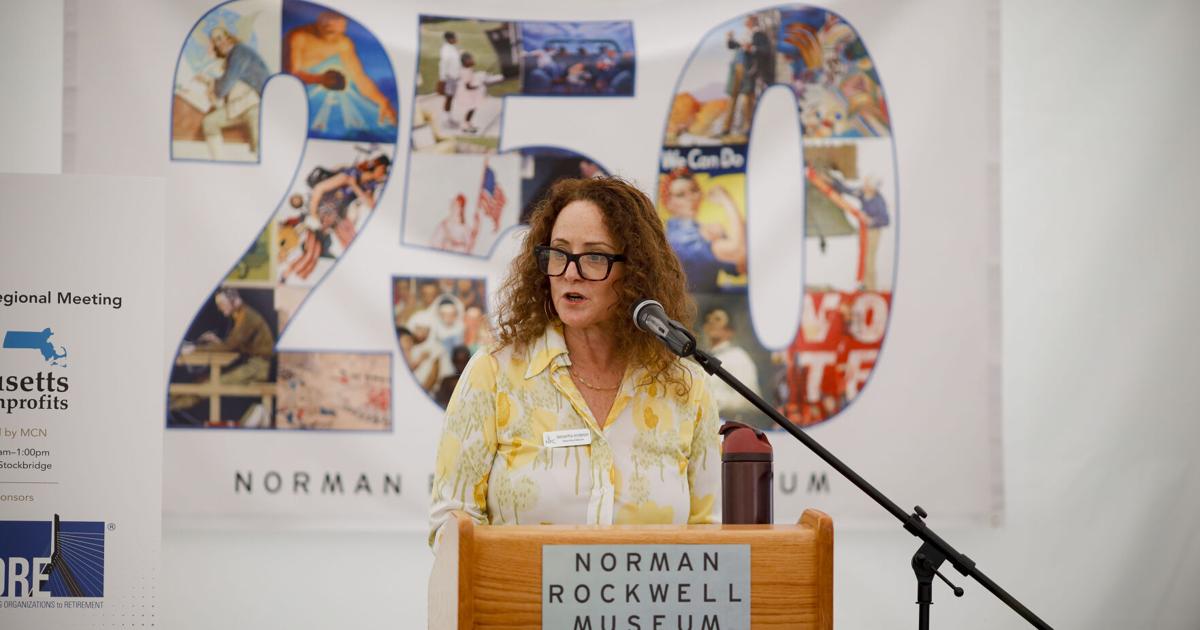
The Massachusetts Council of Nonprofits met with Berkshire County nonprofit leaders at the Norman Rockwell Museum on Wednesday to discuss the current statewide landscape, including the insurance collaborative and the challenges organizations are facing.
Massachusetts Council of Nonprofits CEO Jim Klocke said nonprofits are facing a "dual crisis" of increasing community demand and deteriorating financial stability due to federal government's actions.
Of the 488 nonprofit leaders in the state who responded to the 2026 survey from MassINC Policy Group and the Massachusetts Council of Nonprofits, 70 percent said they receive some form of federal funding. The financial health of half of those nonprofits has weakened over the last year; that number is typically closer to a quarter.
Just getting funding from any category — state government, local government and/or grants from corporations and foundations — has become harder, nonprofits report.
When funding from the federal government decreases, Klocke said, it increases competition for other funding sources more competitive, a domino effect that is hurting local nonprofits. Foundations are reporting a massive influx of proposals as nonprofits compete for limited private dollars to fill gaps left by federal cuts.
"Nonprofits are dealing with an awful lot of big challenges right now," Klocke said. "Funding is hard. The federal government is throwing unprecedented, unfair attacks at nonprofits. People are trying to deal with all of that, and we're here to help them out."
The categories seeing the greatest increase in demand — food assistance, immigration legal aid, health care and education — are also seeing the tightest funding. Nonprofits are expanding to meet that demand but are struggling to afford the higher costs.
For organizations like Berkshire Bounty, the loss of the Local Food Purchasing Assistance Program, which helped fund the purchase of produce from local farmers for food pantries, meant asking the community for more money — which it provided.
After a failed attempt to universally freeze grants and contracts, the Trump administration is trying to draft a series of regulations that would shrink peer review and give political appointees discretion over grants.
"Merit-based systems, scientific research, programs that work — all those values would be under pressure under this new regime," Klocke said. "What's really needed is a change in the law next year to make this impossible. To make sure that grants are given out on the basis of merit and on the basis of performance and on the basis of the track record of the organization that's doing the work."
Massachusetts has one of the largest nonprofit sectors in the country, Klocke said, with more than 550,000 people — 17 percent of the state workforce — employed by nonprofits. In Berkshire County, around one in four local jobs are in the nonprofit sector, with nearly 1,200 organizations based here.
Despite all the "hurricanes and tornadoes and earthquakes they're sending our way from the federal government," Klocke said, "the good news is that there are tons of people doing really good work to try to oppose and stop and prevent and reverse all this stuff. That doesn't solve the problem, but we want you to know."
Read the Original Article
This article was originally published by Berkshire Eagle. Click below to read the full article on their website.
Visit Berkshire Eagle