
Healey will reduce electric and gas bills by 25 percent for February and March, but the savings will come with a catch
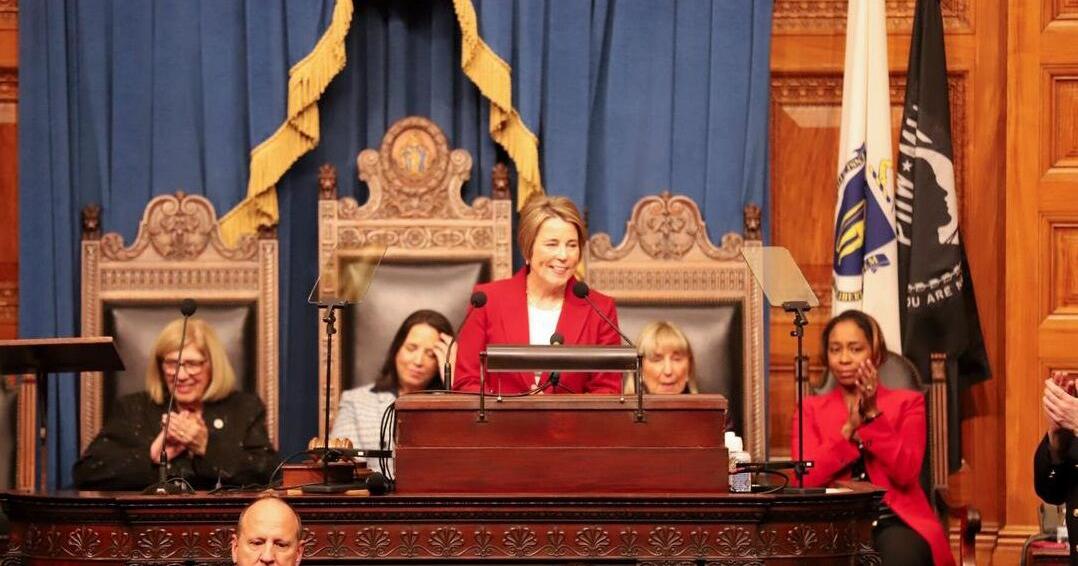
Did you audibly gasp at your electric or gas bill this winter? Gov. Maura Healey announced last week that temporary relief from winter utility bills is on the way.
In her third State of the Commonwealth address last week, Healey announced that her administration will spend $180 million toward cutting electricity bills by 25 percent and gas bills by 10 percent for February and March for all Massachusetts residents — but some of that reduction will be paid in later months and with interest, according to a WCVB Boston report.
According to the Department of Energy and Environmental Affairs, the state will use $180 million from alternative compliance payments, which are fees that utility companies must pay if they don’t meet required clean energy obligations, toward residential electric bill reductions.
“I called on the utilities to lower bills this winter, and now relief is on the way. Massachusetts customers will see their February and March electric bills reduced by 25 percent and gas bills reduced by 10 percent,” Healey said. “We also know that long term help is needed. That’s why we’re going to keep working every day to bring more energy into our state, oppose rate hikes and get charges off of bills.”
According to data from the U.S. Energy Information Administration from November 2025, Massachusetts was in the top five states with the most expensive residential electricity rate, at $0.3122 per kilowatt hour.
The administration is returning the maximum possible funds to customers, an estimated 15 percent reduction in electricity bills — and this funding can only go toward electric customers and not gas customers.
On top of the state cut to electric bills, Healey announced that utility companies plan to defer an estimated 10 percent of the electric bill reduction to be recovered from April through December. Utility companies also plan to defer about 10 percent of gas bill reductions to be recovered during the off-peak months, May through October.
The deferral amounts will vary by utility, said the Department of Energy and Environmental Affairs, and are anticipated to have a minimal impact on customer bills due to the extended period.
The bigger catch? According to a WCVB report published Tuesday, most utility companies including National Grid, Eversource and Unitil will charge interest on these gas and electric bill deferrals.
The report said that state utilities filed bill deferral plans with the Department of Public Utilities this week and in National Grid’s filing, it says the bill reduction will earn a carrying charge “equal to the prime rate," which could be as high as 6.75 percent.
This isn’t the first time in recent months that Healey has temporarily cut energy rates or acknowledged the strain energy bills have put on households. Last year, she implemented the Governor’s Energy Affordability Agenda, which her administration says will save gas and electric customers $5.8 billion in the next five years.
In October, Healey called on the Department of Public Utilities to launch a comprehensive review of gas and electric rates and charges to look for ways to lower customer bills — specifically, she asked it to examine which charges can be removed, reduced or modified,
In that same letter to the DPU, she also requested it “scrutinize” proposed utility rate increases to ensure customers avoid unnecessary charges and called on it to expedite new solar construction before President Donald Trump ends federal tax credits for clean energy.
Last week's announcements came shortly after Healey announced her campaign for reelection in a video where she blamed President Donald Trump for “making everything worse” including the rising costs of living from groceries, energy costs and taking away health care.
Read the Original Article
This article was originally published by Berkshire Eagle. Click below to read the full article on their website.
Visit Berkshire Eagle