
LIHEAP funding restored, Berkshire County residents can now apply for heating assistance
PITTSFIELD — Federal funding delays caused by the government shutdown put thousands of Berkshire County households at risk of losing heat this winter. But advocates say the funds have been fully restored, allowing residents to breathe easier — and warmer — for now.
The Berkshire Community Action Council — which assists low-income residents in becoming self-sufficient and administers the county's Low-Income Home Energy Assistance Program — confirmed that it has the funds to grant heat assistance to those who qualify and is accepting applications.
The program is a free service offered to residents who make below 60 percent of the state's median income, which is broken down by household size. Residents can receive up to $1,000 for deliverable fuels and $850 for non-deliverable fuels. High-energy users may qualify for additional assistance.
The federal funds traditionally get disbursed Nov. 1 and are used to heat homes through at least March 15. No matter what type of heating source you have, the funds help keep the heat on for many, freeing up income to pay for other essentials like food, utilities and housing.
But the funds, which help thousands of county families pay for heat, were locked up during the 43-day federal government shutdown.
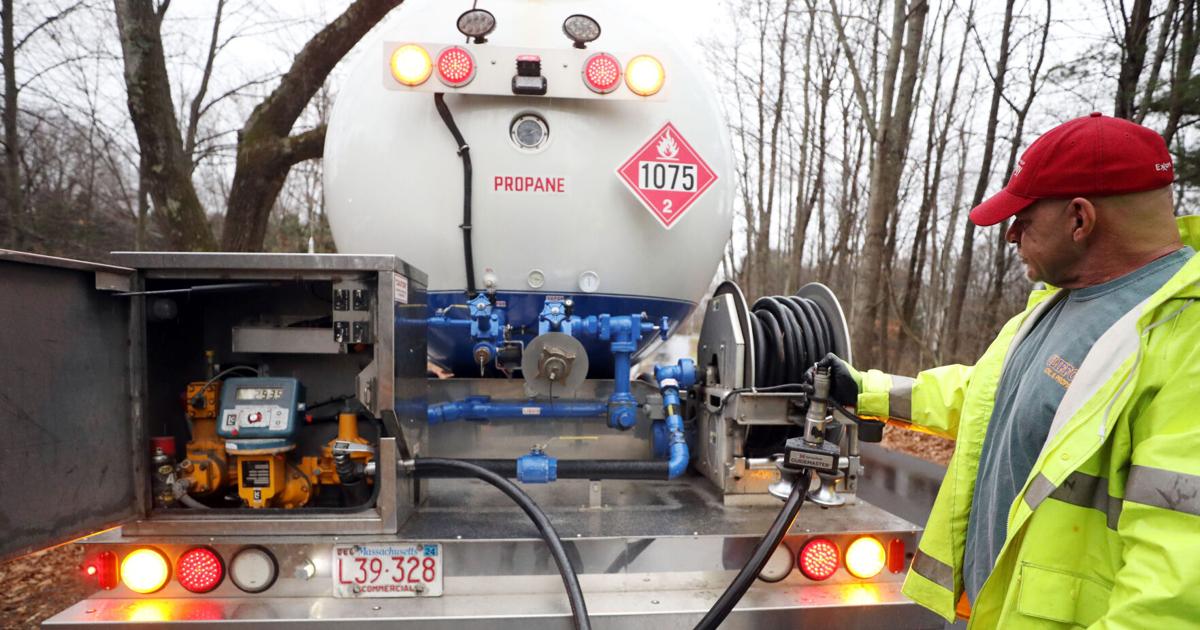
Although there is a state moratorium against shutting off the heat during the winter, this protection does not apply to deliverable fuels, like oil, kerosene or propane, which many of the older homes in the county use.
"We already know that we have our full allotment of LIHEAP funds for the entire year, so we're pretty safe this year," said Deborah Leonczyk, the executive director of the council.
That full award the council receives — around $7 million — was not assured, even before the government shutdown.
"The current administration doesn't favor LIHEAP, but Congress does," Leonczyk said. "We have a lot of very strong Republican advocates for LIHEAP."
During budget negotiations, both chambers of Congress approved increases to the program's funding despite President Donald Trump firing its entire staff at the Department of Health and Human Services on April 1.
In fiscal year 2024, LIHEAP distributed $4.1 billion, heating 5.1 million homes nationwide, according to the Office of Community Services.
Although funding has been secured, Leonczyk worries the amount hasn’t kept pace with rising heat costs.
"That $7 million has pretty much stayed the same in spite of rising heat costs," she said. "So the purchasing power of that money has really gone down over the years. We really need an increase in this to keep up with the cost of fuel."
Leonczyk has written letters to representatives, published letters to the editor in The Eagle and has lobbied to get more support for the program.
"And I'm always asking the public to write letters to their congressmen," she said. "When they're getting letters from their constituents about how important something is, especially if they can tell a personal story ... with those personal stories, they can win people over."
The Low-Income Home Energy Assistance Program is a free service offered to Berkshire residents below 60 percent of the state's median income, which is broken down by household size. Residents can receive up to $1,000 for deliverable fuels and $850 for non-deliverable fuels.
To apply, you can:
Read the Original Article
This article was originally published by Berkshire Eagle. Click below to read the full article on their website.
Visit Berkshire Eagle