
Local doctor warns of dangers of pneumonia following death of Kyle Busch
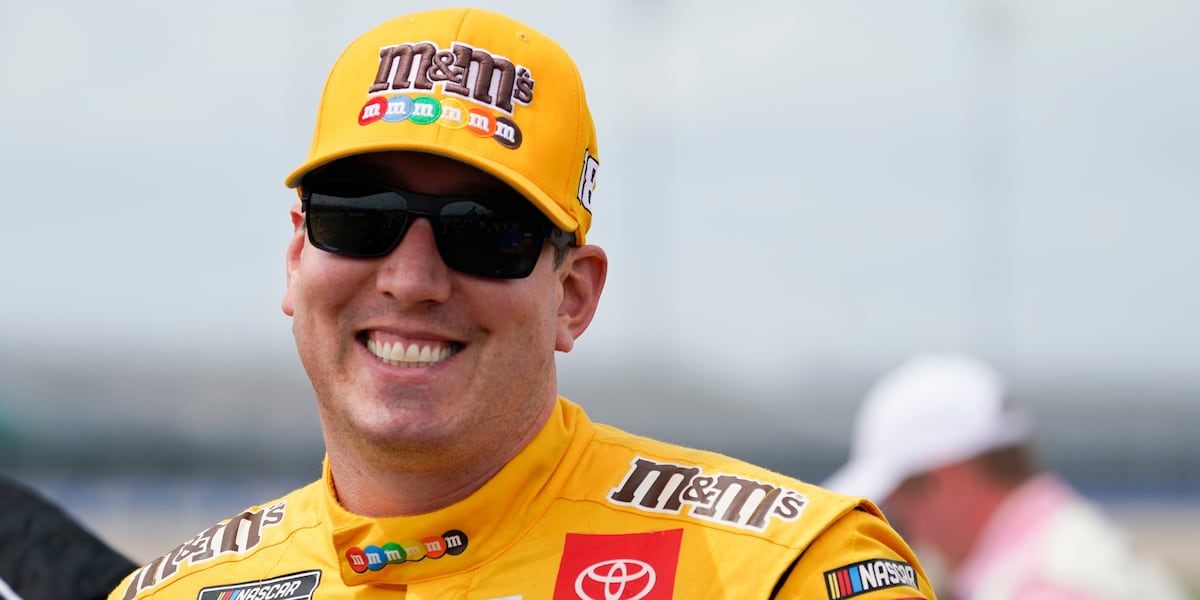
NORTHAMPTON, Mass. (WGGB/WSHM) - What started as reportedly a common cold for NASCAR champion Kyle Busch turned deadly within days and now, a local doctor is urging residents to not ignore the signs.
Busch suffered severe pneumonia that quickly turned into sepsis. He died at the age of 41, leaving behind his wife and two young children.
According to reports, Busch was thought to have been dealing with a sinus cold while racing at Watkins Glen in New York earlier this month.
“These drivers are under a lot of stress, they’re under G-forces,” said Dr. Sunny Shukla, associate chief medical officer at Cooley Dickinson Hospital. “They’re probably also not sleeping a lot, they’re traveling a lot, and they’re susceptible to infections because there are a lot of people around them.”
While preparing for last Sunday’s Coca-Cola 600 in Charlotte, Busch passed out and became unresponsive. A person who called for help described Busch coughing up blood and experiencing shortness of breath. About 24 hours later, he died.
Shukla says Busch’s body may have gone into overdrive, making his illness a life-threatening injury.
“It has inflammatory markers that are spread through the body,” he said. “It may drop your blood pressure, it may cause dizziness, it can cause a fever, and it can also increase your heart rate.”
Shukla says not every case of pneumonia will turn into sepsis. However, he says time is critical in this kind of situation, meaning IV fluids and antibiotics need to be given very early.
“Places like the emergency department {of hospitals} have different protocols where we can activate certain things, like getting quicker labs, giving quicker antibiotics, and depending on what their vital signs are, some of their metrics when they come in, we can actually activate it when they’re coming in by the EMS team," he said.
Cooley Dickinson is currently strengthening sepsis prevention efforts locally by educating the community, paramedics and medics.
“If you’re waiting until the last minute to come {to the hospital}, which many of us do, you may not have the best outcome, which is not what we want,” Shukla said.
He says do not hesitate to see your primary care doctor or even go to the hospital should you suffer from any symptoms, especially if they go from bad to worse in a short period of time.
Copyright 2026 Western Mass News (WGGB/WSHM). All rights reserved.
Read the Original Article
This article was originally published by Western Mass News. Click below to read the full article on their website.
Visit Western Mass News