Mass. weighs ban on selling energy drinks to minors amid health concerns
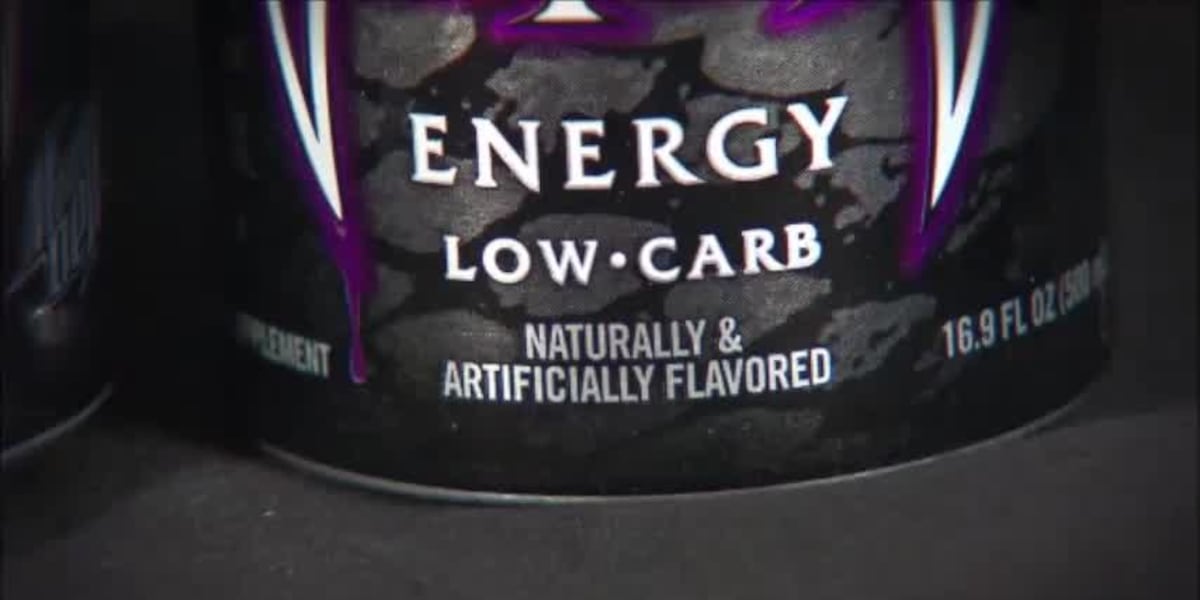
EAST LONGMEADOW, Mass. (WGGB/WSHM) - Energy drinks are easy for teens to buy — but doctors say some cans can pack more caffeine than a teen should have in an entire day. As Massachusetts lawmakers review a proposed ban on sales to minors,
From cases in Ohio, to targeted lawsuits in Texas.
Caffeine-related emergencies, and even deaths, are showing up in cases across the country often involving teenagers and young adults. When it comes to popular energy drinks — do families really know what’s inside a can?
Dr. John Kelley, a primary care pediatrician in East Longmeadow said a daily energy drink is not the same as that morning cup of coffee, “the difference is a cup of coffee has about usually around a hundred milligrams of caffeine, and it’s recommended that adults only consume about three to 400 milligrams a day. So that’s two or three cups of coffee.”
But some popular energy drinks contain 80 to 300 milligrams of caffeine in one can. Dr. Kelley said children and teens should only get about 100 milligrams. That means that just half a can of some brands can push a teen past their recommended daily limit, “So, they get tachycardia, fast or irregular heartbeats, um, elevated blood pressure, um, anxiety, um, nausea, restlessness can affect sleep.”
A 2021 report published by the National Institute of Health found that energy drink use has climbed over the past decade, estimating about one-third of 12-to-17-year-olds regularly drink them.
Those concerns have reached lawmakers in Massachusetts, House Bill 1908, filed by Representative John Murphy would ban the sale of energy drinks to anyone under the age of 18. The bill sets fines for stores that sell to minors — starting at $50 dollars and rising to $250 dollars for repeat offenses.
Lawmakers issued a study to order on the bill in March, meaning it is under long-term review before it can be made into a law. Representative Carlos Gonzalez said the measure isn’t completely off the table yet. Instead, it gives lawmakers the opportunity to talk to medical experts to evaluate if a total ban is needed. “Whether we ban or we don’t ban is something that we need to really look at and pay attention because of the health concerns that it can have later in life in our young people’s lives.”
Local schools in Springfield already ban energy drinks from vending machines and cafeterias, but lawmakers and doctors say most teens still have easy access at corner stores and online.
Dr. Kelley and Representative Gonzalez both stressed education by urging parents to check labels, limit caffeine intake, and talk with teens about the real risks.
Western Mass News has reached out to representative John Murphy for a comment on why exactly House Bill 1908 was given a study order and its current status, but we have not yet heard back.
Copyright 2026 Western Mass News (WGGB/WSHM). All rights reserved.
Read the Original Article
This article was originally published by Western Mass News. Click below to read the full article on their website.
Visit Western Mass News