
New state tracker shows progress toward housing production goal
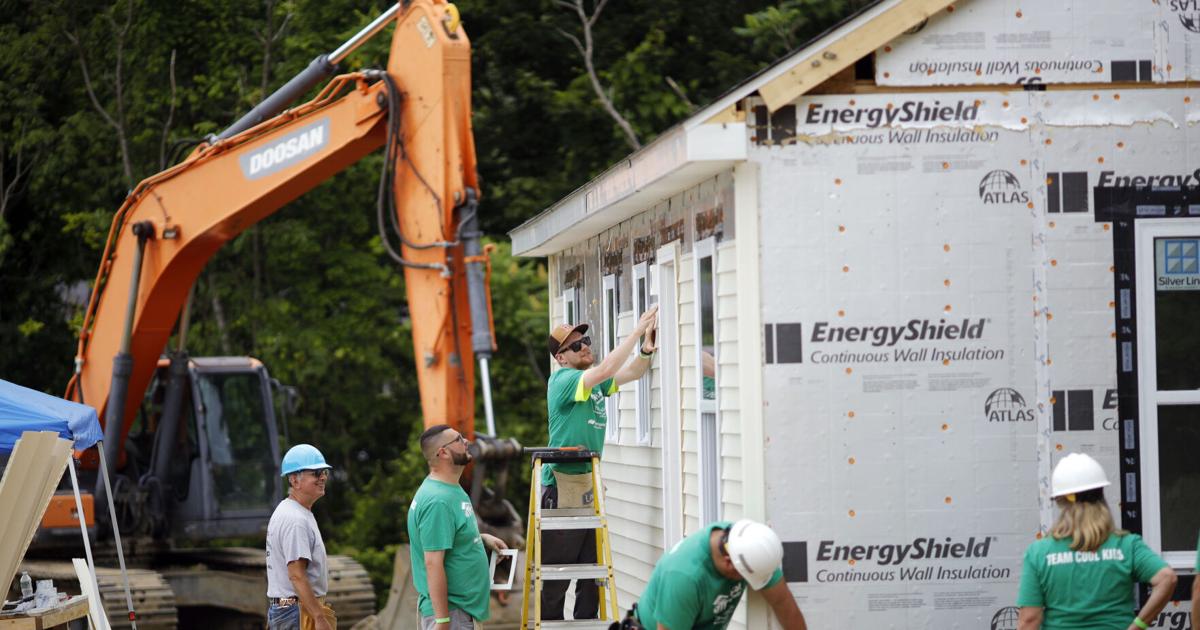
Berkshire County made the third-most progress of any county in the state toward its housing goal, building a net of 291 new homes in 2025. One municipality contributed 111 of those units — and it wasn't Pittsfield.
A new statewide housing production tracker shows Massachusetts is about 15.6 percent of the way toward its goal of adding 222,000 housing units between 2025 and 2035. This represents the clearest picture of home production progress the state has seen in decades as Massachusetts continues to grapple with a housing affordability crisis. According to the tracker, which the Executive Office of Housing and Livable Communities launched on Thursday, Massachusetts added 34,561 homes in 2025.
"Reliable data is essential to understanding where we are making progress and where more work remains," Housing Secretary Juana Matias said. "This tracker will help us measure housing production across Massachusetts as we work to increase supply and lower costs, while also providing researchers, policymakers, and residents with a transparent view of what's happening in their communities."
Massachusetts has built more than 15 percent of units needed to achieve its 10-year housing goal. Berkshire County made the third most progress toward its housing goal out of any county, building a net 291 units in 2025.
The tracker measures progress by city and town and by region, and largely relies on data from the U.S. Census Bureau's Current Address Count Listing files, which housing officials called the "best available source." The files measure residential address counts by block — the smallest census geographic area. Housing officials added that because homes usually receive addresses near the end of the development process, the data offers one of the best measures of completed housing that's ready for occupancy.
Using this methodology, the state is tracking progress toward the statewide and county-specific goals. For Berkshire County, that goal is adding 1,290 units by 2035, as outlined in a housing plan by the Berkshire Regional Planning Commission.
The county added 291 units, or 23 percent of its 10-year goal. Great Barrington added the most units, 111, followed by Pittsfield, which added 34. Lenox and North Adams both lost units, according to state data, with Lenox losing six and North Adams losing three.
The progress Berkshire County made toward its housing goal trailed only Franklin and Barnstable counties. Franklin aims to build 210 homes by 2035, but it built 190 in 2025, putting the county at 90 percent of its goal. Barnstable built 1,921 units, 61 percent of its goal of 3,130 by 2035.
The Census Bureau updates its Address Count Listing files twice a year. The state tracker is set to be updated annually, according to a EOHLC staff member who spoke on background during a press briefing. To create the tracker, the agency independently validated data from the address count listings and compared it with certificates of occupancy from municipalities.
The tracker comes almost a year after EOHLC embarked on the “first significant effort to track both ongoing production and unit completions comprehensively across the state,” according to an Aug. 19, 2025 memo. In February, an EOHLC spokesperson told the News Service that Gov. Maura Healey's administration was building a "single, comprehensive statewide system for tracking total housing production across all communities and housing types for the first time in state history."
EOHLC's methods for tracking housing production has relied on the address count files and the monthly Census Building Permit Survey.
While experts have acknowledged the building permit survey can be useful, it's flawed: data is incomplete as many cities and towns don't respond to the survey, the results likely underestimate how many homes are in the pipeline and information is scattered because some municipalities keep paper records of permits and others rely on electronic systems.
According to EOHLC's memo, around 71 percent of municipalities responded to the monthly survey from 2023 through June 2025 and 22 percent did not respond. The remaining 8 percent of cities and towns offered responses to some, but not all of the surveys.
Also in the memo, EOHLC said the address count files aren't perfect: The lead time from listing an address to occupancy hasn’t been determined, meaning the address count could show some units that haven’t been completed. Also, the listing doesn’t account for converting units from year-round to seasonal use, which diminishes the number of units available to residents.
Gov. Maura Healey set the lofty goal of building 222,000 units by 2035. The state released data on its progress toward that goal, showing it added more than 34,000 units in 2025. That's more than 15 percent of the total goal.
And while current figures show Massachusetts is on its way to reaching its production goal, the state is facing headwinds as high interest rates, labor shortages and rising costs of materials have been hindering developments.
"We know that we need to build more homes to lower costs across the state. This new data shows that we are making serious progress and helping more families, workers, seniors and young people afford homes in their communities,” Healey said in a news release. “But we know there is more work to do. It’s why we’re getting after it every day to increase housing production, help more people become first-time homebuyers, eliminate burdensome renters' fees, and make Massachusetts more affordable for everyone.”
The state housing office said "there are many ways to track housing production activity," and that it estimated in August 2025 that about 90,400 homes had met one of three milestones — new projects proposed, funding awarded, or building permits issued — since Gov. Maura Healey's administration began in January 2023.
There's been chatter about lawmakers making another major run at housing policy changes this session but with just a few weeks left for scheduled formal sessions major bills have not cleared either branch.
Nate Harrington contributed to this story.
Read the Original Article
This article was originally published by Berkshire Eagle. Click below to read the full article on their website.
Visit Berkshire Eagle