
Pittsfield housing tenants say new policy banning grills, toys strips away summer life
Editor's Note: This story was updated at 4:15 p.m. to reflect new information regarding a public comment period for the policy.
PITTSFIELD — Tenants at Pittsfield Housing Authority developments say a sweeping new policy banning grills, lawn furniture, toys and other outdoor items will take away summer cookouts, children’s play spaces and small comforts that make public housing feel like home.
"Most of us feel like next, they'll be putting bars on our windows, and [be] told when to eat and what to eat," said Donna Jean, a 70-year-old retired nurse living at Rose Manor.
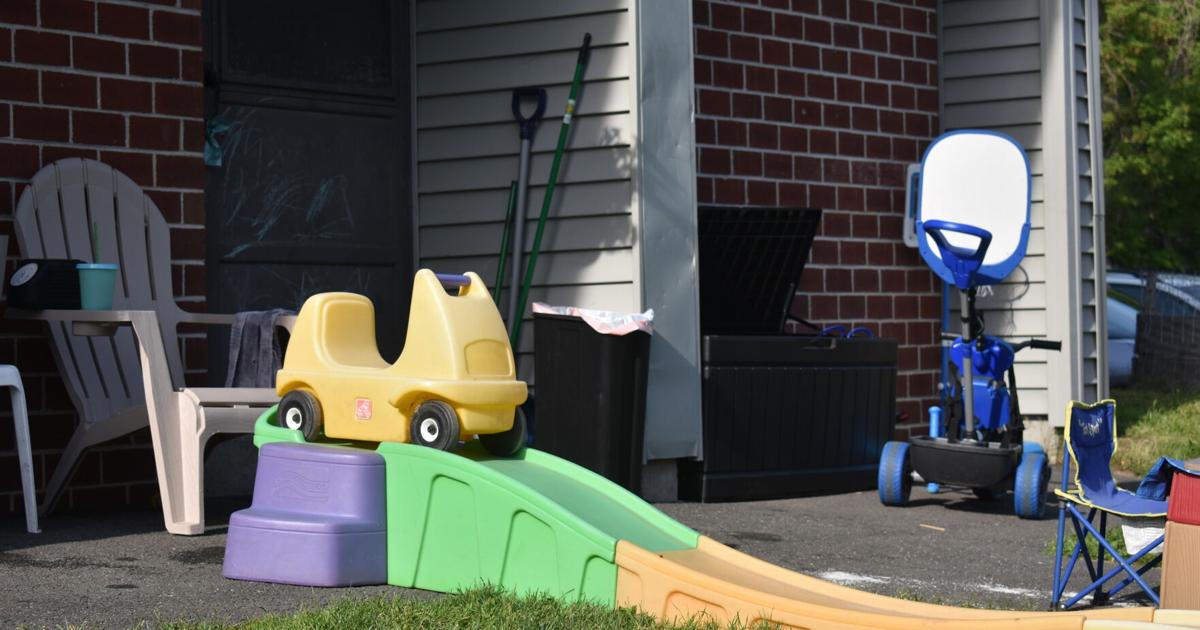
The new policy not only expressly bans things like grills, sprinklers and bird feeders, but it also states that any property that is left in common areas — like patio furniture, toys, bikes, planters and lawn decorations — will be considered abandoned and removed.
The policy was originally set to go into effect Monday, but on Thursday afternoon, Pittsfield Housing Authority Board Chair Michael McCarthy said the enforcement will be postponed until after PHA’s next board meeting on June 23.
Pittsfield Housing Authority told The Eagle that the changes are being implemented in order to improve site safety, reduce fire hazards and ensure compliance with insurance requirements.
However, tenants say the policy is an overreach and leaves them without agency in their own community. The policy's original rollout also appeared to violate state regulations, until its implementation date was pushed back.
Chandra Holland, a resident who lives in Dower Square, said she doesn't want to keep her children inside on screens, but the new policy is going to make that harder. During this summer's hottest days, letting her kids play in a sprinkler would be in violation of this lease.
Pittsfield Housing Authority is an independent, nonprofit agency that oversees public housing in the city. It manages a mix of state- and federal-public housing complexes, and the new common-area property policy has been enacted across all of its developments. Eight of the 10 complexes, which together contain more than 500 units, have outdoor space that this policy would affect.
While grills, patio furniture and lawn decorations have previously been allowed, "the housing authority also has a legal and moral responsibility to prioritize the health, safety and welfare of all residents living within our communities," Executive Director Tina Danzy said in a statement.
"PHA remains committed to maintaining housing communities that are safe, clean, respectful and equitable for everyone," she said.
The agency declined to answer specific questions regarding the time frame residents were given, the feasibility of compliance from residents and if tenants were given the chance to comment on the policy.
Residents say the policy unfairly targets tenants and their families.
"I would like my kids to be able to go outside in my yard, play with a sprinkler, and be kids," said Chandra Holland, a parent living in Dower Square.
Tenants say the finalized policy, distributed over the past month, was the first notice they received of the changes.
The Code of Massachusetts Regulations requires that tenants have the chance to comment on policies that affect the use of a local housing authorities’ developments. It also states that the agency needs to post notice of how to provide comments on its website.
Had the policy been implemented on Monday, as originally stated, the rollout appeared to violate state regulations.
McCarthy said residents will be given a chance to speak at the June 20 board meeting.
At Dower Square, tenants didn't know about the policy until it was distributed on May 18, giving them 14 days to figure out what to do with their outdoor grills and lawn furniture, said Aja Young, a tenant at the complex.
For senior tenants and those with disabilities, it might be physically impossible to move outdoor furniture, Jean said. Under this policy, tenants will need to take patio chairs inside anytime they are not sitting in them.
The policy also prohibits items that had previously been expressly permitted.
In 2025, Kamaar Taliaferro, who serves on the Pittsfield Affordable Housing Trust and chairs the NAACP Berkshires Housing Committee, helped tenants build small, 2-by-2 garden beds so they could plant their own vegetables, which the housing authority greenlighted at the time. It was a way to give agency and food to the tenants, he said.
Items like children's toys, bikes, trampolines will be regarded as abandoned property if left out at Pittsfield Housing Authority properties if a new policy is implemented. This new policy comes at odds with previously allowed items, tenants say.
With this new policy, "small things that the rest of us wouldn't think twice about — the housing authority is now threatening to hold people in violation of their lease and evict them," Taliaferro said. "Including the raised bed that we were given explicit permission to put up."
The policy change is upsetting to the tenants who already feel stigmatized by living in low-income housing, Young said. "They assume they're uneducated, they're poor, they are a minority, they are unimportant people."
Residents have even offered to pitch in to take care of the shared spaces in question, Holland said.
"I would rather take a day off ... and mow this whole complex," she said. "I have volunteered. I don't mind."
Grills and plant beds aren't luxuries, said Aja Young, a tenant at Dower Square. Grills are the only way to cook during blackouts and plant beds help lower the cost of groceries for tenants, she said.
About 40 tenants, led by Young, met Tuesday to discuss their rights, possible next steps and ways to organize collectively. The group gathered at a church next to Dower Square after deciding against meeting in the development’s common room because surveillance cameras and a security guard stationed outside made tenants uncomfortable speaking there, Young said.
Tenants who spoke at the meeting said they would lose more than $100 in property if this policy was to go into effect. Items like bikes and grills were the biggest sticking points, which aren’t luxuries, they’re necessities, Young said. Having a cooking source that does not rely on electricity allows tenants to cook during the frequent brownouts and blackouts residents say occur at the developments.
The tenant meeting was just the first step, Young said, but it was an important one.
The agency “needs to understand that tenants’ lives and their housing stability isn't at the whim of the Pittsfield Housing Authority," Taliaferro said.
Read the Original Article
This article was originally published by Berkshire Eagle. Click below to read the full article on their website.
Visit Berkshire Eagle