
Pittsfield moves to protect Onota, Pontoosuc lakes and Richmond Pond with new commission
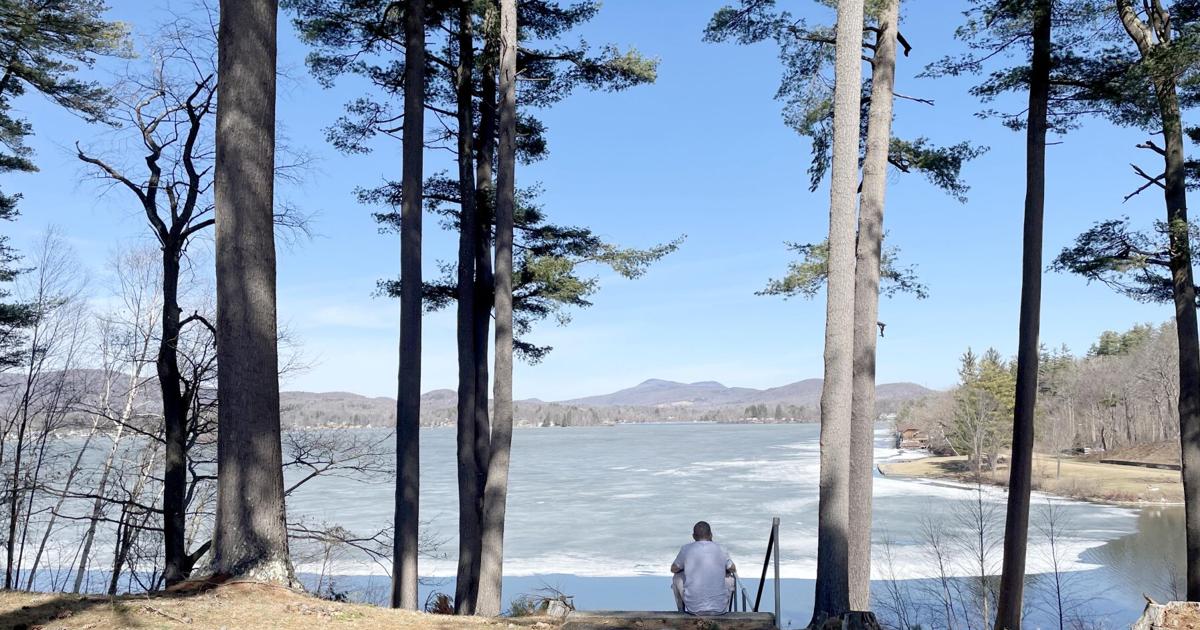
PITTSFIELD — From water quality concerns to invasive species and climate impacts, city officials are proposing a new Lake Management Commission to oversee the long-term health of Pittsfield’s lakes.
The proposed ordinance, introduced at last week's City Council meeting and referred to the Committee on Ordinances and Rules, would establish a seven-member commission charged with protecting the city’s major water bodies — particularly Onota Lake, Pontoosuc Lake and Richmond Pond — by monitoring environmental conditions, reviewing threats to water quality and recommending solutions to city leadership.
If approved, the commission would focus on ongoing and emerging issues affecting Pittsfield’s lakes in recent years, including invasive aquatic plants, harmful cyanobacterial blooms, fluctuating water levels and the effects of climate change.
Onota and Pontoosuc lakes — the city’s two largest water bodies at roughly 617 and 500 acres, respectively — are popular destinations for swimming, boating and fishing and are surrounded by residential neighborhoods. In recent years, however, both lakes have faced periodic water quality advisories, weed management issues and the spread of invasive species.
Last year, Pontoosuc Lake saw a significant growth of Eurasian milfoil, along with three other invasive species, while environmental testing also detected zebra mussel environmental DNA and a cyanobacteria, or blue-green algae, bloom — a condition that can be dangerous for swimmers, particularly children and pets. Evidence of zebra mussel DNA, an invasive species known for disrupting local ecosystems, has also been found in Onota Lake in recent years.
Jim McGrath shows Eurasian milfoil at Pontoosuc Lake. Last year, Pontoosuc Lake saw a significant growth of Eurasian milfoil, along with three other invasive species.
“Our lakes and waterbodies are protected resources that experience the impacts of climate change,” Mayor Peter Marchetti's office wrote in a prepared statement. “The creation of this Commission will advance and educate the issues facing management of the lakes … It is important that we have plans in place to address water quality, management of invasive weed species, drawdowns and more.”
Under the ordinance, the Lake Management Commission would develop a five-year management and budget plan for all city water bodies, with annual budget requests to fund plant surveys, water quality testing and public education efforts. The commission would also be expected to seek grant funding and city, state or federal resources to support periodic evaluations of lake health.
While the commission’s primary focus would be Onota Lake, Pontoosuc Lake and Richmond Pond, its scope would extend to any Pittsfield waterbody, “with the greatest emphasis being placed on those waterbodies that host recreational activities,” city officials wrote. The ordinance allows the commission to develop management plans for smaller bodies as it deems appropriate.
The proposed commission would include five members appointed by the mayor and approved by the City Council, along with one member each appointed by the Conservation Commission and the Parks Commission. Of the mayor’s appointees, three would serve three-year terms and two would serve two-year terms. Members would serve without compensation and elect a chair, vice chair and secretary from among themselves.
Pontoosuc Lake has cyanobacteria and invasives, including weed growth. A new Lake Management Commission would be charged with protecting the city’s major water bodies, including Pontoosuc.
The Lake Management Commission would submit its annual budget requests to the Community Development Department and meet at least twice a year with the Parks and Conservation commissions to discuss environmental and recreational issues. All meetings would be public, and city officials said community input would be encouraged throughout the process.
“We are looking for more engagement from the community on lake management matters, water quality, water treatments and planning for recreation opportunities in the years ahead,” city officials wrote. “This commission will help provide both short-term and long-term focus for our lakes and waterbodies, which create significant opportunities for this community.”
The ordinance remains under review by the Committee on Ordinances and Rules and would return to the City Council for final consideration before any appointments are made.
Read the Original Article
This article was originally published by Berkshire Eagle. Click below to read the full article on their website.
Visit Berkshire Eagle