
Rising insurance and wastewater costs put North Adams FY27 budget under pressure
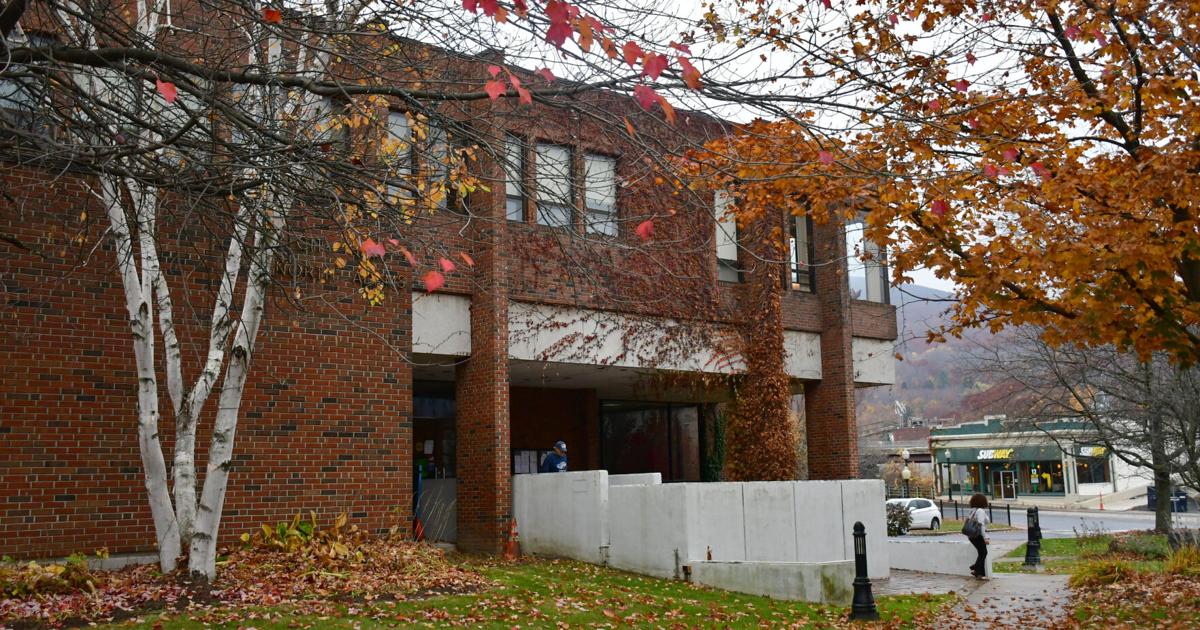
At an April finance committee meeting in North Adams, the members discussed early budget concerns for fiscal 27 including rising medical insurance costs and a steep hike in wastewater management costs.
NORTH ADAMS — The city is bracing for fiscal 27 budget pressures driven by rising costs of health insurance, salaries and operating the wastewater management facility.
With a draft budget still pending at Monday’s Finance Committee meeting, Mayor Jennifer Macksey and other city officials shared concerns that the gap between rising costs and modest revenue growth will force a difficult but expected budget season, including whether to cut or rearrange positions, dip into reserves again and find new revenue.
From fiscal 25 to fiscal 26 the city budget rose to about $52 million, increasing $3.4 million, or 6.79 percent. The jump was largely driven by rising health insurance, salaries and material expenses. A similar trend is shaping up for fiscal 27.
Macksey said there would be a more than $200,000 increase in operating costs for the Hoosac Water Quality District — which manages wastewater collection, treatment and sludge disposal for North Adams and Williamstown — because of the increasing costs of chemicals used to treat the water and hauling compost away from facilities.
An increasing regional trend of moving away from composting sludge has stopped the district’s decades-long practice of selling it to its three municipalities. Rising concerns of polyfluoroalkyl, the "forever chemicals" that have been linked to cancer, in the sludge, have forced the district to stop selling the compost and start paying for haulers to take the compost to a landfill.
City medical insurance costs will also rise just over 6 percent, about $415,000, Macksey told the committee.
She said that an initial estimate for medical insurance increased by 18 percent but the city was able to bring that down, with some savings coming from reduced coverage of GLP-1 drugs for weight management.
“That's good but bad news,” Macksey said.
Last year, about $2.4 million was transferred to fiscal 26 receipts from city stabilization funds to cover the $1 million, or 17.5 percent, insurance increase. Macksey said that the city could not afford to take anything out of reserves for fiscal 27.
According to fiscal 26 budget documents, the city is still facing an estimated $3 million deficit, but there is still some revenue and state aid still coming in, including roughly 75 percent of motor vehicle excises that haven’t been collected, which account for over $1 million of revenue, said committee chair Lisa Blackmer.
Macksey said to make up for the deficit the city is looking at all its options, while being mindful of the taxpayers.
“We are looking at what growth is showing, what our tax revenue is showing, we are looking at a water rate increase … we haven't had one in forever," she said. "But we are sensitive to what people can afford, and I think people got whacked with the reevaluation last year.”
Because roughly five budget municipal positions are currently open, Macksey said the city was discussing if it could move some of the money from those salaries around to cover other expenses.
“We're being very frugal with the taxpayer dollar, we are trying to squeeze that nickel into a quarter," she said.
Preliminary state aid projections from the Department of Revenue estimate the city will receive just over $24 million in state aid, roughly a 6 percent increase from fiscal 26. About $16.8 million of that is Chapter 70 school funding, a roughly $90,000 increase from FY26, along with about $150,000 more in unrestricted general government aid.
However, as state assessments like vocational tuition continue growing, much of that additional aid is absorbed before it can be used for local priorities.
Macksey said that there were generally no "out-of-the-ordinary expenses" for fiscal 26 except for an unexpected “huge” $255,000 bill to find and repair original city water pipe breaks in a forest surrounding North Adams. Though the Public Services Department expected to spend more than budgeted for snow and ice removal, Macksey said it did not anticipate the amount of winter water breaks it battled. There were 22 breaks over the winter, she said, and the city averages 10 to 12 during the winter.
Macksey said she and her staff aimed but did not promise to have a draft budget ready for the finance committee to review by May 1.
The next finance committee budget meeting is slated for April 27, where Macksey said she was inviting Hoosac Water Quality District, Department of Public Services and McCann Technical School to give budget updates.
Read the Original Article
This article was originally published by Berkshire Eagle. Click below to read the full article on their website.
Visit Berkshire Eagle