
Rising insurance, public safety costs drive North Adams $54.9M budget
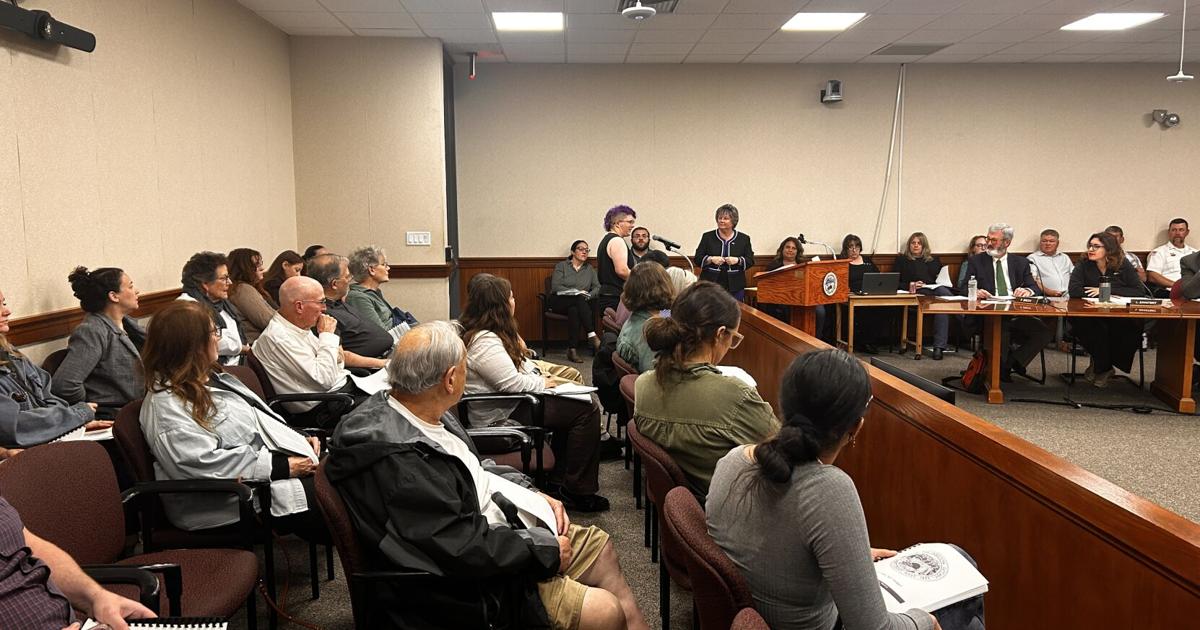
NORTH ADAMS — City Council approved the city’s recommended $54.9 million operating budget Tuesday night, a 5 percent increase, driven largely by rising health insurance costs, public safety spending and municipal expenses.
About half of the budget, or a projected $25 million, comes from state aid — though that has not been finalized yet — with the other half coming from taxation and a projected $9.4 million in local revenues.
Over nine meetings since March 19, the council’s three-person Finance Committee reviewed the proposed budgets for each city department and its other expenses and revenues. At Monday's last meeting before the hearing, Macksey announced some final cuts that changed some of the recommended budget lines.
The biggest reduction was cutting down the recommended IT budget proposed earlier this month by about $100,000.
Health insurance remains one of the city's largest expenses at $8.1 million.
“The biggest problem with our budget is that our health insurance budget is the same as our public safety budget,” said Council President Ashley Shade, who noted the state requires the city to pay that.
Public safety accounts for 15 percent of the budget or $8.2 million, an almost 8 percent increase over last year. The police department budget is up 12 percent, driven by the cost of needing to equip and send a slate of new recruits to the police academy after losing four of its officers in the past year. The fire department’s budget is up 2 percent, or $47,000, to $2.4 million.
Resident and business owner Bryan Josephs asked about the increasing policing costs and if it correlates to lower crime.
Police Chief Mark Bailey said property crimes are down significantly from last year while crimes against persons remain elevated because of the Walnut Street homicide. Bailey said the department has rebuilt staffing after years of shortages and that its current 31 officers is an appropriate level.
Finance Committee Chair Lisa Blackmer referenced the department’s recent response to an armed person inside a Houghton Street house that ended safely with no one hurt.
“That’s why we have the budget we have,” Blackmer said.
Council also approved North Adams Public School’s $21 million budget, a 1.2 percent increase, or $251,000 over last year’s plan. These district costs account for 38 percent of the budget and are largely funded through Chapter 70 state aid.
But in recent budget meetings, Superintendent Tim Callahan warned that Chapter 70 aid is continually lagging behind yearly operational increases, especially for rural schools. The district’s Chapter 70 aid rose about half a percent over last year, or $89,000, to $16.7 million.
Meanwhile, the city’s formerly part-time director of tourism Lindsay Randall will now be full-time, making a salary of $59,000, to the delight of multiple councilors.
“That position is going to pay for itself,” said Shade.
Sewer rates are likely increasing, driven by a $250,000 increase in operating costs for the Hoosac Water Quality District — which manages wastewater collection, treatment and sludge disposal for North Adams and Williamstown — because of the increasing costs of sludge disposal.
Macksey said she is working on raising water, sewer and possibly transfer station rates but would notify the public when that meeting would take place.
Council also approved the borrowing of $611,000 to purchase a new vac truck for the public services department. A vac truck is an industrial strength vacuum cleaner that can suck liquids, sludges and dry debris from tight spaces and is used for water main breaks, sewer blockages and hazardous spill cleanup. Officials said the current vehicle is about 16 years old, increasingly tired and unreliable.
Macksey said the city will begin paying down the truck in 2028.
The almost $300,000 increase in cost to replace the same truck worked as a good example about rising municipal costs, said Councilor Keith Bona.
“When we're looking at this budget, we just see things increase over and over,” he said. “That's one piece of equipment. Every little piece just adds up and creates millions of dollars of increases.”
Read the Original Article
This article was originally published by Berkshire Eagle. Click below to read the full article on their website.
Visit Berkshire Eagle