
Several house fires have struck Berkshire communities in recent weeks. Experts offer these tips to stay safe
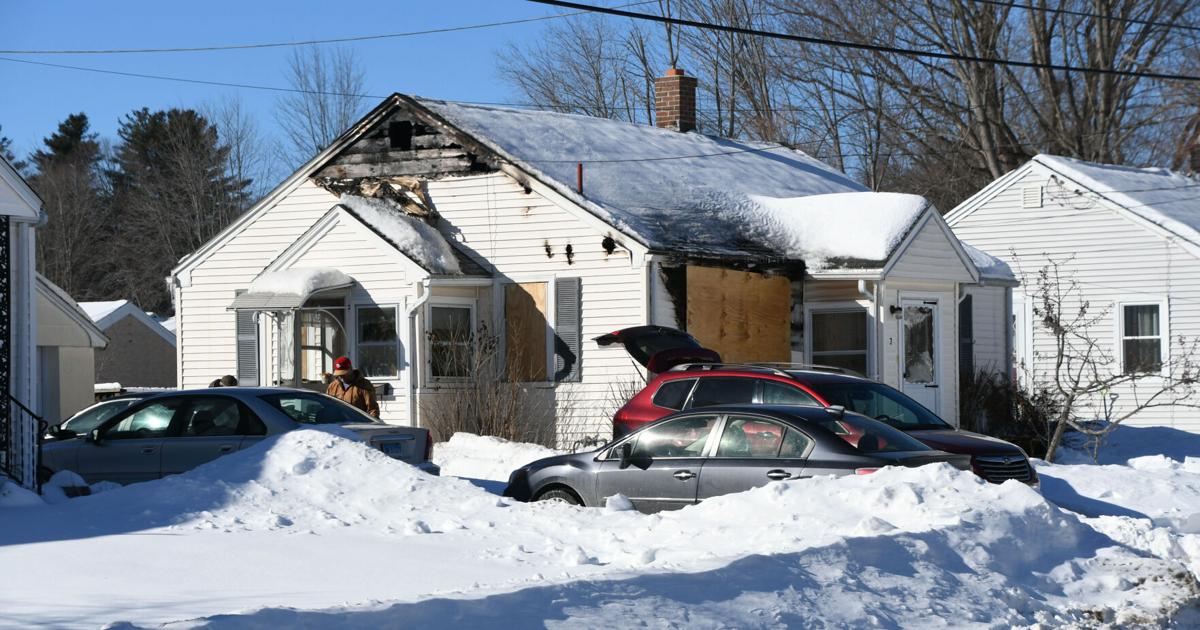
While temperatures remain frigid in the Berkshires, house fires have been on the rise. The town of Lee has battled three house fires in just the last two weeks, and a fire on Pittsfield’s Virginia Avenue on Saturday cost an elderly woman her life.
“Every year we see an increase in residential fires during the colder months,” said Jake Wark, a spokesman for the Massachusetts Department of Fire Services. Heating malfunctions, cooking mishaps and indoor smoking, all common during winter, can lead to devastating fires.
In light of recent incidents, The Eagle gathered advice from local fire safety experts on how best to prevent house fires and keep your home and family safe.
Checking smoke detectors regularly is the most important step you can take to protect yourself and loved ones from a fire.
Five fatal house fires have occurred in Massachusetts since the start of 2026, and four of the involved homes, including one in Pittsfield, did not have working smoke alarms, Wark said.
“Sleeping in the same room with a smoke detector is the best kind of protection you can possibly give yourself,” said Lt. Scott McGinnis, who oversees fire prevention for the Pittsfield Fire Department.
Smoke detectors should be installed in every bedroom and on every floor of a home. Use the “test” button at least once a month to ensure the detector is functioning properly.
Typically, batteries should be replaced at least once a year. Some modern detectors may have a 10-year battery lifespan, but be sure to not lose track of the replacement date.
Wark also recommends having a certified electrician examine your home’s electrical system every 10 years.
Cooking fires are the most common source of house fires in Massachusetts. Always cook sober and do not leave pans unattended on the stove.
If a pan catches fire, turn off the heat and do not attempt to move it. If it’s safe to do so, you can attempt to smother the flames by covering them with a lid or cookie sheet. Do not pour water on a grease fire. If the fire cannot be controlled, call 911.
Always use a timer when placing food in the oven. If food inside the oven catches fire, McGinnis advises keeping the door shut and turning off the heat. If the fire doesn’t extinguish, call 911.
Fires caused by careless smoking are often the most deadly, McGinnis warns. Place burning cigarettes in a noncombustible ashtray during use, and dampen them before putting them in the trash.
If no water is available to douse a cigarette, McGinnis advises “field stripping” it by completely dismantling the paper, filter and tobacco to reduce the risk of fire before disposing of it.
When clearing out heating sources with solid fuels, like coal or wood, dispose of the ashes in a metal container, such as an empty paint can or steel box. Do not immediately put the ashes in the trash but instead place the container outdoors, at least 10 feet away from your home.
“Even though the ashes may look cold, there is a high chance they may have embers mixed in with them,” Lee Fire Chief Ryan Brown said.
All flammable objects should be kept at least three feet away from stoves, heaters, fireplaces and other heat sources, Wark said.
Decluttering the kitchen is especially helpful, as it’s a common place for fires to start. Wark also recommends placing a screen in front of the fireplace for additional protection.
Additionally, ensure chimneys and dryer vents are cleaned regularly.
Equipment that produces heat or cold, such as a space heater or air conditioner, should always be plugged into a wall outlet rather than an extension cord.
If a fire starts in your home, evacuate the building and immediately call 911. Do not attempt to transport burning objects outside of the building on your own, or otherwise subdue a fire.
“There are many well-intentioned people that turn into victims,” Brown said.
Fire extinguishers can sometimes be helpful if available, but only if the user is experienced and confident in their use.
During the 911 call, provide as much information as possible to the emergency dispatcher, including whether anyone remains in the home.
“Time is very important,” Brown said. “The sooner we know we have someone trapped in the building, the sooner we can plan and execute a rescue.”
He recommends that families sit down and identify a “rally point” outside of the home in advance to meet at in case of emergency.
Read the Original Article
This article was originally published by Berkshire Eagle. Click below to read the full article on their website.
Visit Berkshire Eagle