
Southern Berkshire towns will vote this week on the school budget. Here's what to know
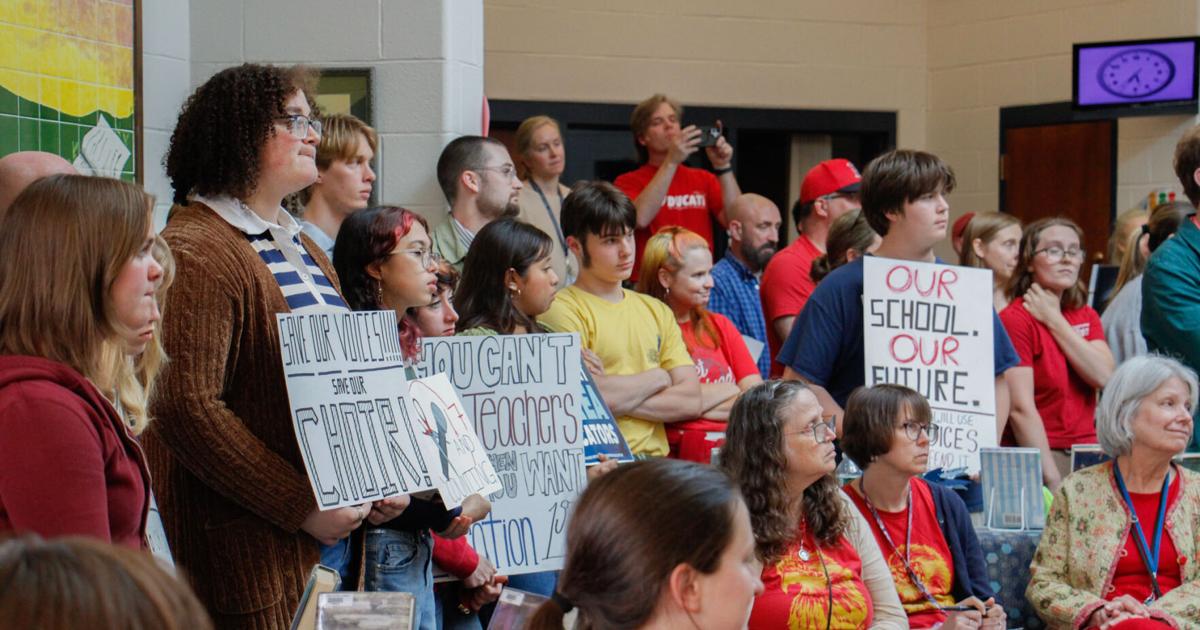
SHEFFIELD — A school budget process unlike any other in Berkshire County comes down to this: five votes at special meetings in the coming weeks to determine if the Southern Berkshire Regional School District will have a spending plan for the fiscal year starting July 1.
The spending plan, which was not ready for Town Meeting in the district's member towns of Alford, Egremont, Monterey, New Marlborough and Sheffield, finally came together June 3, in a process marked by confusion and controversy.
About 75 percent of the proposed budget of $21.37 million, an increase of 3.7 percent from the current year, is funded by the five towns. The proposed increases range from 3.1 percent in Alford to 7.1 percent in Sheffield.
Alford will vote first, on June 23, followed by Monterey on June 25 and Egremont, New Marlborough and Sheffield on June 29.
Because the budget votes are coming in June special meetings and not town meetings held in May, there is very little room for error. Four of the five towns must approve the budget by June 30, or the state will impose a month-to-month level-funded budget until a final spending plan is approved.
A decrease in expected state aid is the primary reason the towns are paying more, along with rising health insurance costs that have affected municipalities and school districts across the state. Voters in all five towns had already approved major budget increases at their annual town meetings before the school budget was pulled for separate consideration.
As towns prepare to vote, confusion continues to circulate about the district's financial health. A comment from a School Committee member at the last meeting that the district was sitting on a $2.5 million surplus sparked concerns among some residents that the district had money available that could have prevented staff cuts.
Superintendent Brian Ricca has disputed that claim, saying the district's finances show nearly the opposite. As of June 3, the district had recorded about $13.7 million in revenues and more than $15.9 million in expenditures — a roughly $2.18 million gap. He said that gap represents money expected to be spent and revenue expected to be received before June 30, not money sitting unused in an account.
Rather, the district is projecting a year-end surplus of about $339,000 when the book on fiscal 2026 is closed.
After getting a later start than normal with a new budget team, officials discovered years of bookkeeping problems that required months of cleanup before they could confidently build the district's budget.
Now, months behind schedule, after a shakeup in School Committee leadership, the elimination of 21.3 full-time equivalent positions and the restoration of nearly half those staffing cuts, the budget will finally reach voters just days before the state's deadline.
At last year's public hearing, critics requested the district produce a detailed line-item budget instead of an overview with totals for 17 broad categories, which they said led the committee to "rubber-stamp" spending.
In August, Beth Regulbuto, the prior superintendent of eight years, left the district. Then in November, the district parted ways with The Management Solution, the consulting firm that managed its business and accounting operations, citing bookkeeping and administrative errors.
The committee brought in Open Architects to replace TMS and approved Regulbuto as a budget and transition consultant at $824.70 per day for up to 30 days.
Everything seemed to be moving toward stability until Open Architects looked closer. The firm found years of improper categorization — costs recorded in the wrong places, obscuring the district's true financial picture and leaving officials uncertain about where money they'd been told was allocated actually was.
Then came another complication. Before leaving, TMS had submitted the district's excess and deficiency funds to the state for certification — the first on-time filing in years, according to public records. But in December, the state notified the district of problems. The district responded by email in February.
By then, tensions had boiled over. A finance subcommittee meeting devolved into an argument over Regalbuto's work as a consultant, and Chair Arthur Batacchi and Vice Chair Kimberly Alcantara both resigned their leadership posts — leaving the district to present its first budget with a new superintendent, a new business firm, and new committee leadership, all at once.
With no E&D funds certified and two options Ricca called unpalatable, the committee delayed a vote on the budget and kept delaying, hoping for more information or money that didn't materialize.
On May 19 — 13 days before the deadline to notify staff — Ricca emailed 20 employees in the middle of the school day that they would not have jobs the following year. A total of 21.3 full-time equivalent positions had been cut, triggering a community outcry that eventually led to the restoration of at least 10 of them.
Read the Original Article
This article was originally published by Berkshire Eagle. Click below to read the full article on their website.
Visit Berkshire Eagle