
UMass microbiologist explains the hantavirus outbreak on cruise liner
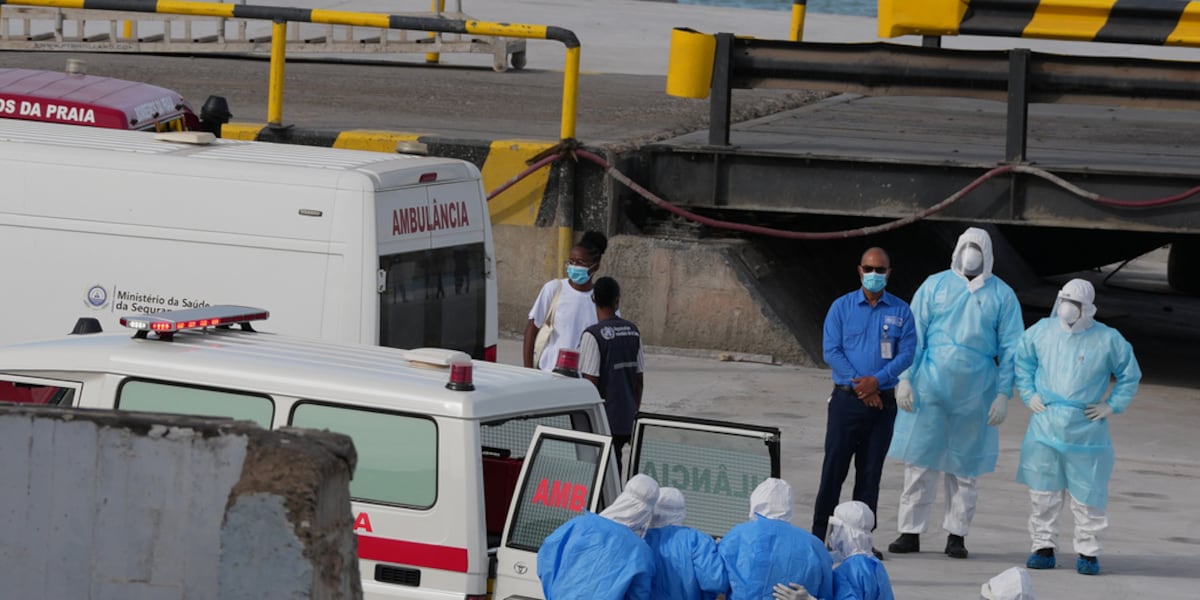
AMHERST, Mass. (WGGB/WSHM) - While health officials said that the risk of the hantavirus to the general public remains low, they are not taking any chances. Three people are dead after an outbreak aboard a cruise ship that left Argentina last month.
The ship is now making its way to Spain, and passengers who have already returned home to the United States are being closely monitored. As of now, three people have died from the virus — and there are five more confirmed cases.
The Dutch cruise ship, the MV Hondius, departed from Argentina on April 1st. On Friday, Spanish authorities are preparing to receive the ship, which is expected to reach the island of Tenerife, off the coast of West Africa, this weekend. There, the remaining 140 passengers will be carefully let off the ship.
Western Mass News is getting answers from a local doctor about how much scientists know about the virus.
In the United States, there are fewer than 1000 cases in a year, and the only way to contract it is by the hantavirus typically spreads when people inhale particles of urine or feces from rodents like rats or small mice.
The Andes, which comes from South America, is the only known strain that can be transmitted from person to person. The World Health Organization said in a press conference Thursday that this was “not another covid” and the risk of a wider public outbreak still remains very low.
The virus can cause fatal lung disease but is not an easily spread airborne disease like covid. To transmit from person to person, it requires very close contact, which makes a cruise ship a perfect place for the virus to spread.
So, do officials know how the virus first made it onto the ship?
They believe it originates from a Dutch couple aboard the MV Hondius. They visited Chile and Uruguay before boarding, and according to the WHO, they visited sites where the species of rat known to carry the Andes virus are often found.
Is this virus new, and why is it making such headlines?
It’s definitely not new, in fact, scientists in the United States have been actively tracking the virus for over three decades. It’s making a lot of headlines mainly because it can so deadly, according to Doctor Erika Hamilton, the Department Head of Microbiology at UMass Amherst, “Unfortunately, it has a high death rate to it of anywhere from 30 to 50 percent. So this is a dangerous virus. It is rare, but it is dangerous,” Dr. Hamilton said.
Hamilton echoed other professionals, saying the chances of this disease becoming dangerous and widespread are very low.
Copyright 2026 Western Mass News (WGGB/WSHM). All rights reserved.
Read the Original Article
This article was originally published by Western Mass News. Click below to read the full article on their website.
Visit Western Mass News