
Heat exhaustion vs heatstroke: How to tell the difference and what you should know
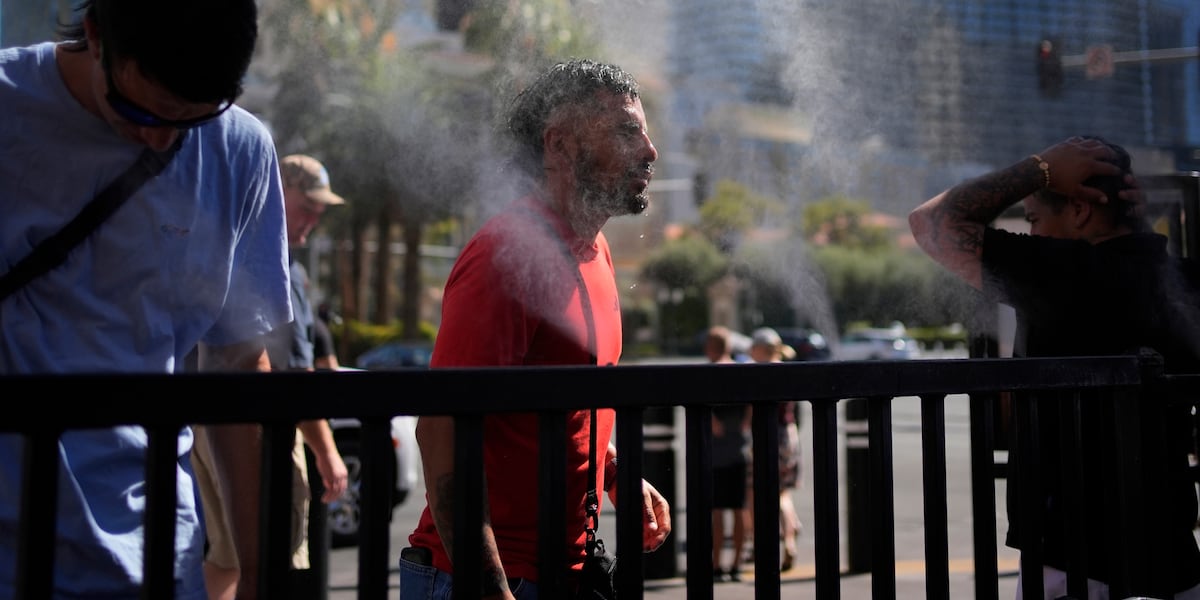
(Gray News) - As the country grapples with heat indices of up to 115 degrees in some areas, heat-related illnesses will naturally begin to increase.
Heat exhaustion and heatstroke both happen when the body is out in severe heat, and both require medical attention; however, heatstroke is much more severe and can lead to death.
Here’s what to know about the two:
The body’s response to losing too much water and salt, usually from sweating, is called heat exhaustion, the Centers for Disease Control says. Those symptoms can include heavy sweating, elevated body temperature, decreased urine output, dizziness, weakness, thirst, headache, nausea and irritability.
Medical care is needed for heat exhaustion.
The more serious of the two, heatstroke, happens when the body cannot control its temperature. The body’s core temperature can rise to 106 degrees within 10 to 15 minutes, according to the CDC.
Heatstroke can be deadly, and 911 should be called immediately if heatstroke is suspected.
Those symptoms can include loss of consciousness, seizures, very high body temperature, hot, dry skin or profuse sweating, confusion, altered mental status and slurred speech.
For both heatstroke and exhaustion, experts recommend seeking medical attention and removing unnecessary clothing such as shoes, socks and outer layers.
The affected person should be moved to a shaded, cool area if possible.
Another option is to apply a cool, wet compress to areas such as the head, neck and underarms.
Beyond staying indoors, there are a few steps that experts say people can take when dealing with severe heat.
National Weather Service staff recommend that anyone who has to be outside during a heat wave should try to wait until the coolest time of the day, wear lightweight, loose clothing and minimize exposure to the sun.
Experts recommend against pointing portable electric fans at people if room temperature is above 90 degrees, saying the dry air will dehydrate them faster.
When eating and drinking, prioritize cool, light meals and plenty of water.
Copyright 2026 Gray Local Media, Inc. All rights reserved.
Read the Original Article
This article was originally published by Western Mass News. Click below to read the full article on their website.
Visit Western Mass News