
Belchertown well project stalled amid drought, permit fight
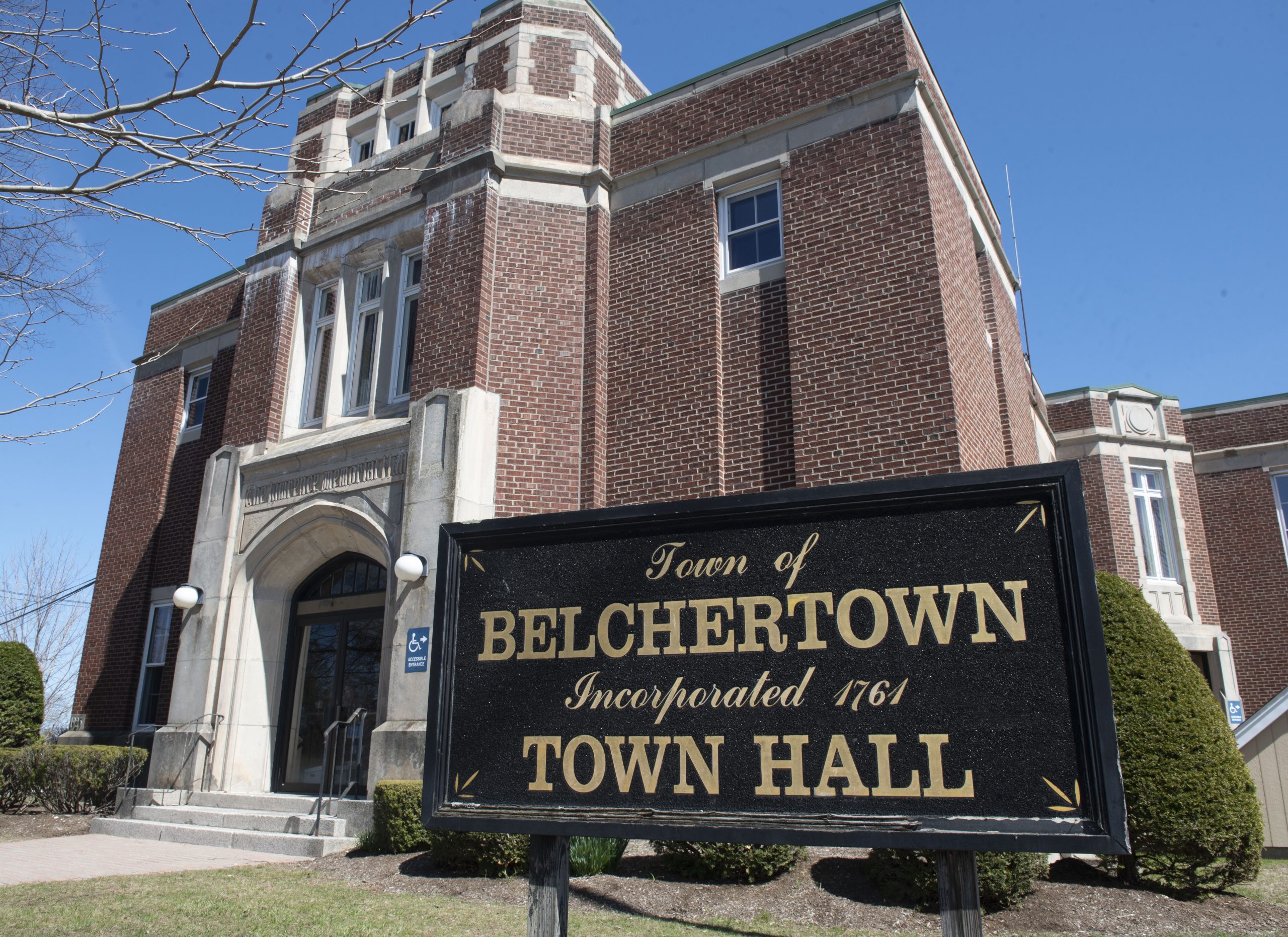
BELCHERTOWN — The Belchertown Water District had hoped to drill a new well to expand capacity and boost drought resilience, but that effort has stalled after a year spent defending the district’s water withdrawal permit before state regulators.
The Belchertown Water District has spent the last year fighting to maintain it water withdrawal allowance against the Department of Conservation and Recreation (DCR) and Massachusetts Department of Environmental Protection (MassDEP). Water permits are the state’s way of regulating and conserving the resource.
As written in the permit, the district enforces mandatory restrictions on all nonessential watering during a state-declared drought. The region is currently in a moderate drought, and Belchertown’s well levels are “barely holding its own,” Town Manager Steve Williams said during a Select Board meeting Monday night.
Belchertown currently draws from four wells on Jabish Street and one well on Federal Street, providing only two aquifers to pull from. The wells dropped about a foot below stable levels in June, and the county has received below-average rainfall — not enough to replenish them.
“If there was another aquifer somewhere that was being tapped, that would give them [the water district] another opportunity to draw from a different source and let the other recover, but they don’t have that right now,” Williams said.
The Quaboag River, which the town monitors as a drought indicator, is typically at 67 cubic feet per minute, Water Superintendent Kevin Williams, Steve’s brother, said. On July 19, the streamflow was at 43 cubic feet per minute.
“I don’t know when this outdoor watering ban will be lifted,” Water District Chairman Gary Brougham said. “If we don’t see some recovery into the surface water, this may go into next year.”
The district had been saving money to locate and drill a new well, but process to defend the water permit cost about $16,000 in engineering fees, eating into these savings.
District personnel told the Select Board Monday that the state is giving less leeway to “bank” water for future needs. During the permit review, state agencies sought to eliminate water capacity that had been set aside for a planned 105-unit residential development at the Belchertown State School.
The district and state ultimately reached a compromise, reducing Belchertown’s daily water withdrawal allowance at 400,000 gallons — 10,000 gallons less than before. The state had initially proposed cutting the allowance by 80,000 gallons a day.
Water districts must renew their permit with DCR and MassDEP every 20 years. Belchertown began this permit review in 2016, and only now is it close to being finalized.
Replenishing both the water supply and the district’s depleted funds will take time. The current water restrictions are reducing water usage as intended, but because the district’s revenue is entirely sustained through usage fees, Kevin Williams said revenue will likely be down next year.
Nonessential watering, at this moment, includes the high school football field. The school’s irrigation system requires 34,000 gallons of water a day, Kevin Williams said, which “isn’t going to save that field.”
“It’s just a waste of resources at this point,” he added.
Due to lack of rain and a recent herbicide treatment, the football field has several dirt patches. Belchertown Public Schools is in the process of building a new irrigation system on a private well, similar to the one currently watering the Chestnut Hill Community School fields, though the project now requires two irrigation tanks.
Whether the football field will be ready for the season “will literally be a game-time decision,” Steve Williams said.
Despite the drought, Belchertown has extensive water resources. Amherst and Bondsville both have wells in the town, and there are untapped aquifers, Brougham said.
“Now the permit is almost finalized,” he continued. “I fully intend to start moving forward again with trying to identify another (well) source and in conjunction with that, trying to work towards expanding our permit because I know the town’s going to need the water.”
Read the Original Article
This article was originally published by Daily Hampshire Gazette. Click below to read the full article on their website.
Visit Daily Hampshire Gazette