
Conservation partnership protects 806 acres in Westhampton
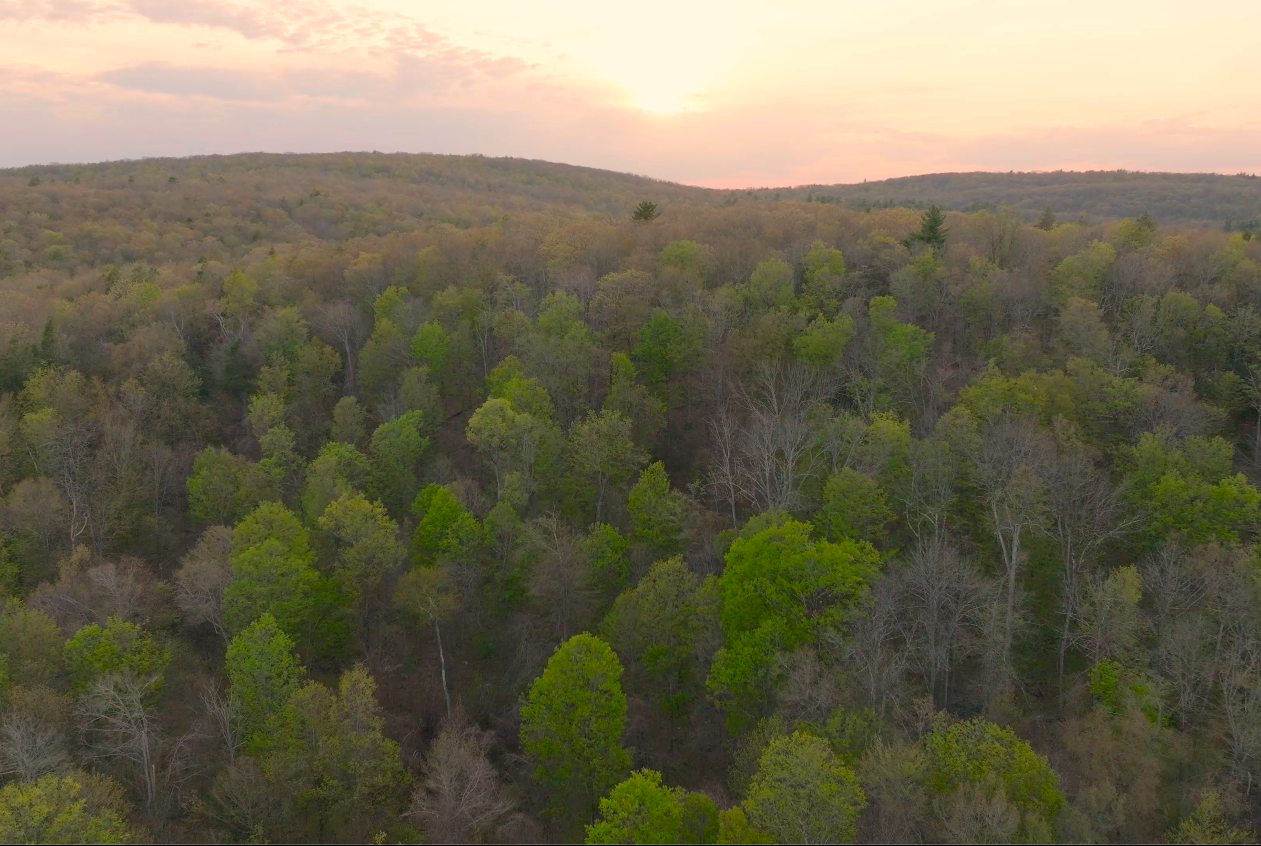
WESTHAMPTON — A total of 806 acres of forest has been permanently protected in the heart of Westhampton, opening the door for expanded outdoor recreation while protecting wildlife and drinking water in town.
It takes a group effort for such a project to come to fruition, according to Lee Halasz, the conservation manager of the Kestrel Land Trust, one of four organizations that spearheaded efforts to conserve the forested acres. The acreage will build upon a corridor of 2,200-plus acres of existing protected land, totaling more than 3,000 acres in Westhampton and beyond.
“This is a lot of organizations for one project but it is really four projects in one,” Halasz said.
Kestrel, along with the Trustees of Reservations, Mass Audubon, the Hilltown Land Trust and the town of Westhampton, recently announced the permanent protection of the land which is split into four parcels totaling 426 acres, 143 acres, 124 acres and 112 acres each. Kestrel led the effort by securing a Massachusetts Landscape Partnership Grant for $1.25 million last year.
“Westhampton like every town around is having a lot of budgetary issues and it was great to do some work without it costing the town,” Halasz said. “What an amazing resource right in walking distance of town.”
The land will expand from the Spruce Hill conservation area and is a short walk from the Westhampton Library and Town Hall, with access from Spruce Hill, Tob and Burt Road. Each parcel will have different protections and recreational purposes, with trailhead kiosks and signage soon to be installed to outline uses such as hiking, cross-country skiing or hunting, depending on restrictions.
The Trustees of Reservations, the largest land conservation organization in the state and the oldest in the country, will oversee the largest parcel and Hilltown Land Trust will oversee the second largest. Both have conservation restrictions from Kestrel to protect the wildlife and the neighboring Tighe-Carmody Reservoir, which provides drinking water for the city of Holyoke.
“What we’ll be focusing on with Kestrel is passive recreation, things that aren’t going to disturb ecosystems,” said Mary Dettloff director of public relations for the Trustees of Reservations.
Dettloff said the Trustees will be expanding trail access while increasing overall accessibility to its parcel, inviting activities like snowshoeing, hiking and birdwatching. Another focus for the land, and an overall goal for the Trustees, is combatting climate change.
“We want to find as many ways as possible to connect people with nature because when they have that connection, they become stewards of nature and that’s what we need,” Dettloff said.
The two smaller parcels will be owned by the town of Westhampton with support from Mass Audubon’s 30×30 Catalyst Fund. They will be overseen by the Conservation Commission and the town’s main recreational focus is to increase accessibility, however, rules about recreational use have not been finalized and the town hopes to collect public input for desired activities like hiking, fishing and hunting.
“This inspiring conservation project has made a remarkable contribution towards ensuring habitat for the wildlife with whom we share the forest, and has created a substantial natural resource for the people of Westhampton and surrounding communities to enjoy,” Conservation Commission Chair Fred Morrison said in a statement.
Dettloff said a major component to land conservation and protection is finding willing donors that own large swaths of land. The 426 acres of land managed by the Trustees of Reservations was purchased, then donated, by W.D. Cowls through The Lyme Timber Company.
“We are glad to have been able to transfer a 426-acre property to the Trustees of Reservations given the property’s adjacency to other permanently protected conservation land owned by the City of Holyoke, in order to help maintain connectivity to benefit wildlife habitat and water quality in the Connecticut River Valley,” Peter Stein, managing director of The Lyme Timber Company said in a statement.
Particularly in western parts of the state, Dettloff said there is both extensive farm and forested land, areas with lots of potential for conservation. Dettloff said more land is being passed down from older generations of farmers and loggers — important steps to help steward proper land use into the future — just like the Westhampton project.
“There is now some generational transfer of land going on,” Dettloff said. “Some of these families want turn the land over to a conservation organization to help preserve it. Part of that is what’s going on in Westhampton.”
Read the Original Article
This article was originally published by Daily Hampshire Gazette. Click below to read the full article on their website.
Visit Daily Hampshire Gazette