
Eversource bill charges explained as customers question rising costs
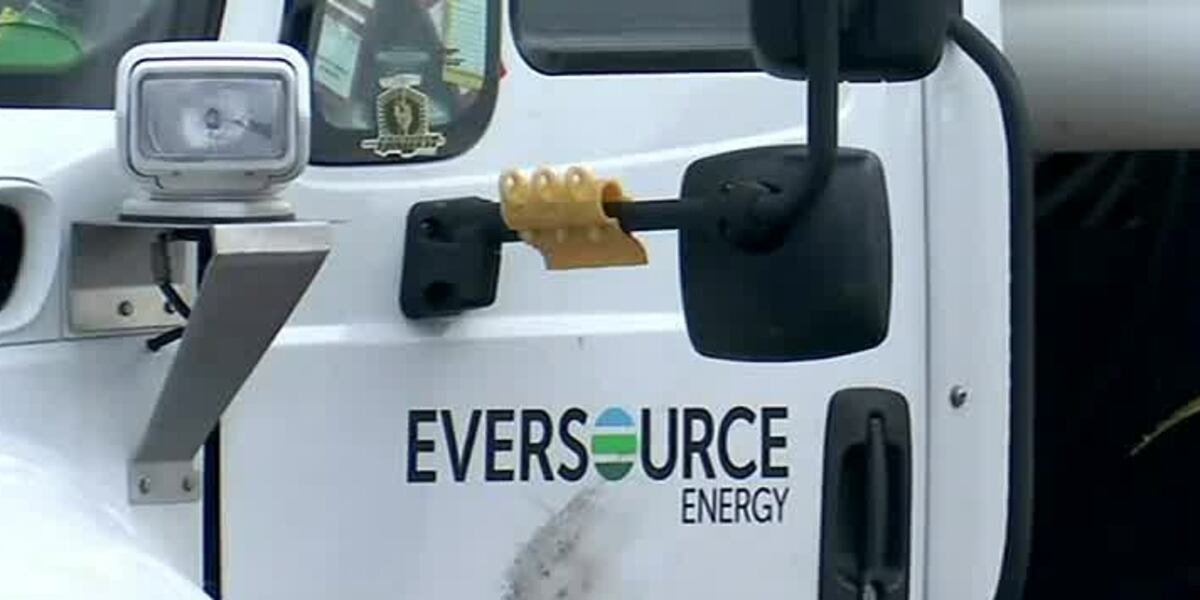
SPRINGFIELD, MA (WGGB/WSHM) -- Eversource customers have contacted Western Mass News throughout the week about skyrocketing electric bills, with concerns mounting since the start of the utility’s new smart meter program. Viewers have expressed frustration about the costs in Facebook comments on recent Eversource stories, with some blaming Massachusetts Governor Maura Healey for the increases.
Breaking down the charges
Electric bills contain two main components: supply and delivery charges. Supply charges are based on the amount of electricity used, measured in kilowatt-hours. That rate changes twice a year based on market prices.
Delivery charges are more complicated, covering the infrastructure that brings electricity to households through distribution, operations and services, transmission, and public benefits. The charges are based on investment and maintenance of power lines, substations, and equipment to provide efficient and reliable service.
Distribution, operations, and service
The delivery charge is based on electricity usage and includes several components: distribution, grid modernization, advanced metering infrastructure, and electronic payment recovery. There is also a separate customer charge.
Transmission costs
Transmission covers the cost of the regional transmission system that brings electricity from power generators to power lines and then to businesses and homes. The Federal Energy Regulatory Commission regulates these charges.
Public benefits
Public benefits represent costs required by state and federal government for financial assistance and energy efficiency programs, regardless of whether customers use solar panels or electric vehicles.
Smart meter impact
The old meters collected data monthly and required an Eversource crew to read them from the street. Smart meters automatically send data to Eversource’s systems. There is no fee for smart meter installation, but the cost of the program factors into the cost of service and is collected in the delivery portion of customer bills, according to Eversource. Eversource added that the smart meters provide detailed information on electricity usage so customers can better understand and adapt their energy use to save money in the future.
According to Eversource, supply represents 40 percent of the bill, distribution accounts for 30 percent, public benefits make up 17 percent, and transmission comprises 13 percent.
Eversource is redesigning bills to make them easier to understand, the company said.
Electric Bill Components Explained | Eversource
Electric Delivery Rates | Eversource
Electric Supply Rates | Eversource
Sample Electric Bill | Eversource
Smart Meter Questions and Answers
Residential Contact Us | Eversource
Copyright 2025. Western Mass News (WGGB/WSHM). All rights reserved.
Read the Original Article
This article was originally published by Western Mass News. Click below to read the full article on their website.
Visit Western Mass News