
Federal dietary guidelines shift focus from traditional food pyramid recommendations
WEST SPRINGFIELD, MA (WGGB/WSHM) -- The Trump Administration reset U.S. food policy earlier this year, promising to put “real food” at the center of health as the nation grapples with alarming rates of obesity and diabetes.
The new food guide emphasizes high-quality protein and healthy fats while avoiding ultra-processed foods. It’s visualized by an inverted food pyramid, placing protein, dairy, and healthy fats at the widest part, suggesting they should make up the largest portion of diets. Whole grains are now at the narrowest part, indicating a reduced focus.
Nicole Frank-Maslar, a registered dietitian and owner of Pyramid Nutrition Services in West Springfield, works closely with clients to translate food and nutrition science into real life healthy practices. She said the new food guide makes it trickier for her to translate food portions to her clients.
Frank-Maslar said the new inverted food guide pyramid leaves some dietitians uneasy. “Putting the steak and the whole chicken with skin on, the stick of butter, the whole milk at the middle and top corner of the pyramid has some of us dieticians concerned,” she explained. “Because I think it sends a message of whole fat foods being better for us.”
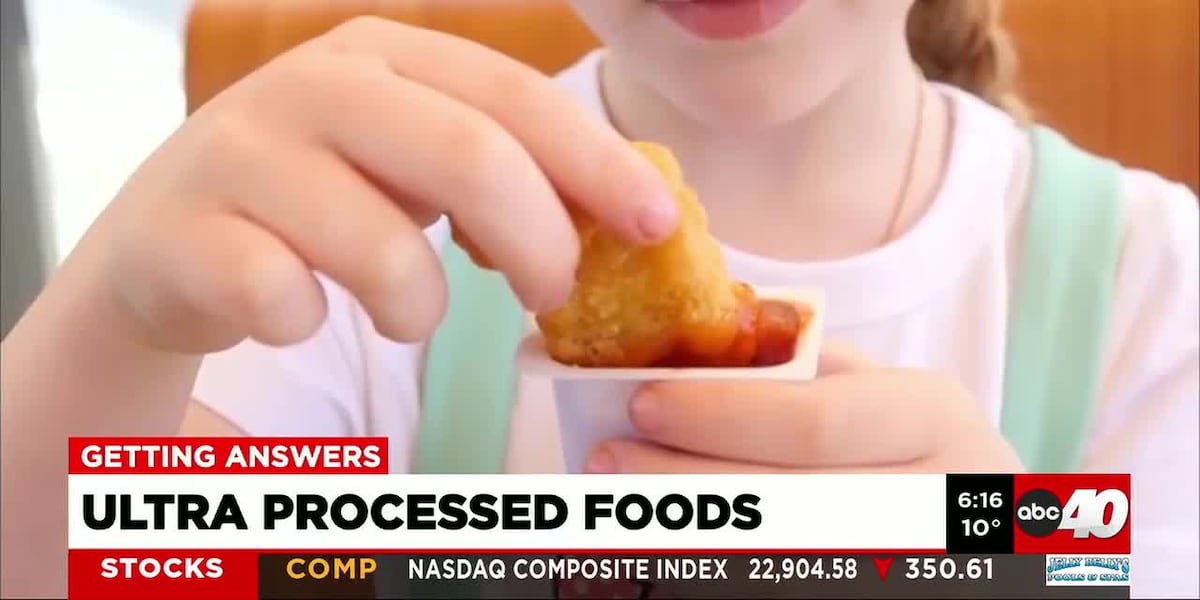
For the first time, the governmental dietary guidelines call out the dangers of certain highly processed foods. According to Frank-Maslar, not all processed foods are harmful. According to the Centers for Disease Control and Prevention, ultra-processed foods like chicken nuggets, hot dogs, potato chips, and canned soups take up 50 percent of Americans’ calorie intake.
Frank-Maslar said a solution to healthier eating is simpler than people might think. “Shop the perimeter of the grocery store,” she noted. “If you think about the perimeter of the grocery store, we enter usually in the produce aisle, right? So, there’s your produce, there’s your fruits and veggies. As you come around, you’ve maybe hit your deli, so there’s your cheeses and then there’s your meats and as you hit the other perimeter, it’s your grains, it’s your breads, right? So, maybe you have to go down some aisles, but for the most part, we should be able to get most of what we need from the perimeter of the grocery store.”
A huge part of avoiding highly processed foods is being able to recognize certain food additives and preservatives that would make a food highly processed. Frank-Maslar suggested avoiding additives like high fructose corn syrup, hydrogenated oils, MSG, and sodium nitrate. While the changes may seem daunting, she said empowering yourself with knowledge about what’s in your food is the first step towards a healthier lifestyle.
Copyright 2026 Western Mass News (WGGB/WSHM). All rights reserved.
Read the Original Article
This article was originally published by Western Mass News. Click below to read the full article on their website.
Visit Western Mass News