
How to protect your dog or cat as temperatures approach 100 degrees
SPRINGFIELD, MA (WGGB/WSHM) -- With temperatures potentially reaching 100 degrees by Thursday, marking the third heat wave of the year, local animal welfare experts are urging pet owners to take extra precautions to protect their animals.
Western Mass News spoke with Marianne Moner, volunteer and education coordinator at the Thomas J. O’Connor Animal Control and Adoption Center in Springfield, about what pet owners should know this week. She said pets need outdoor time before temperatures peak. Daily walks are still possible, but owners should keep animals off hot pavement. “If you can touch the pavement and it hurts, it’s going to certainly hurt their paws, if not cause burns,” she explained.
It’s recommended that pet owners stick to walks on grass and shaded areas instead.
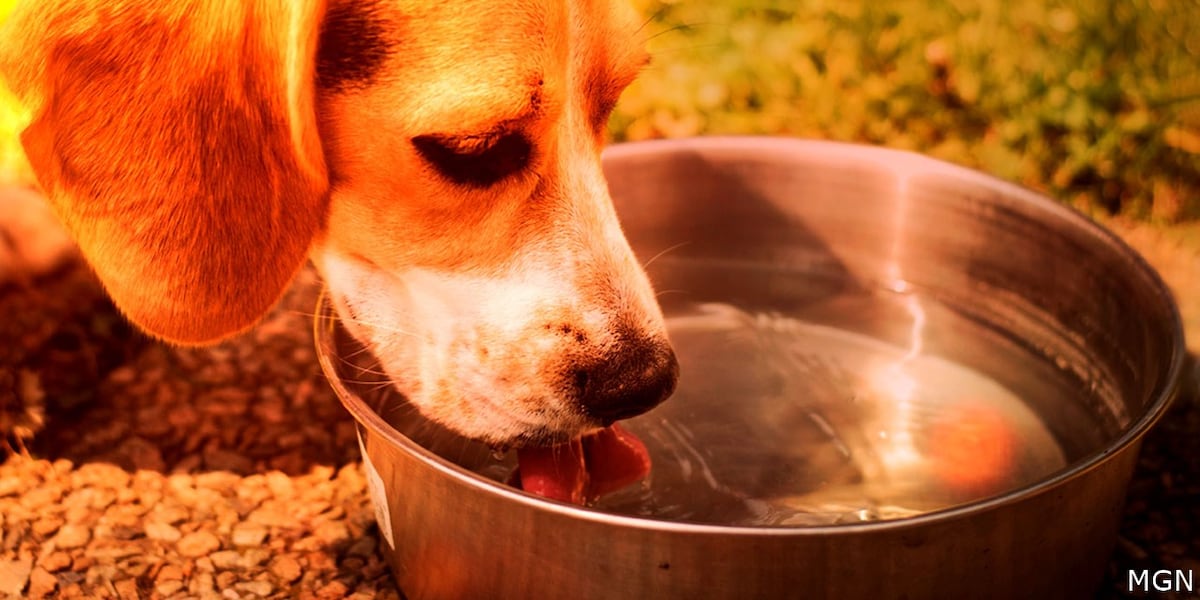
Fresh water is essential during extreme heat, Moner said. For dogs that resist drinking, she suggested adding water to their food or freezing chicken broth and mixing it in. “Some dogs are a little resistant to drinking, even if they’re hot, so it’s a great way to keep them hydrated,” she noted.
A kiddie pool is another low-cost option. “Maybe not (during) the hottest time of the day if you want to set up a kiddie pool with some water,” Moner added. “It’s an inexpensive way to get your dog splashing around a little bit.”
Cold treats, such as frozen yogurt, can also help cool dogs down, Moner said.
Moner explained flat-faced breeds, such as French bulldogs and pugs, should stay indoors entirely during extreme heat. These breeds have difficulty breathing in high temperatures. “Those dogs really need very little exposure to the heat,” she said. “They suffer in the heat.”
Moner recommended cooling pads as an effective option for both dogs and cats. “Sometimes, a cooling pad is a nice thing to have,” she said. “They’re effective for a lot of animals. Dogs and cats tend to like cold floors, like a bathroom floor or a tub even.”
Pet owners should watch for the following signs of heat stroke in animals:
If any of those signs appear, Moner said owners should get their pet to a veterinarian immediately.
For more information, contact the Thomas J. O’Connor Animal Control and Adoption Center at 413-781-1484.
Copyright 2026 Western Mass News (WGGB/WSHM). All rights reserved.
Read the Original Article
This article was originally published by Western Mass News. Click below to read the full article on their website.
Visit Western Mass News